The Importance of Balanced Nutrition for Pet Health
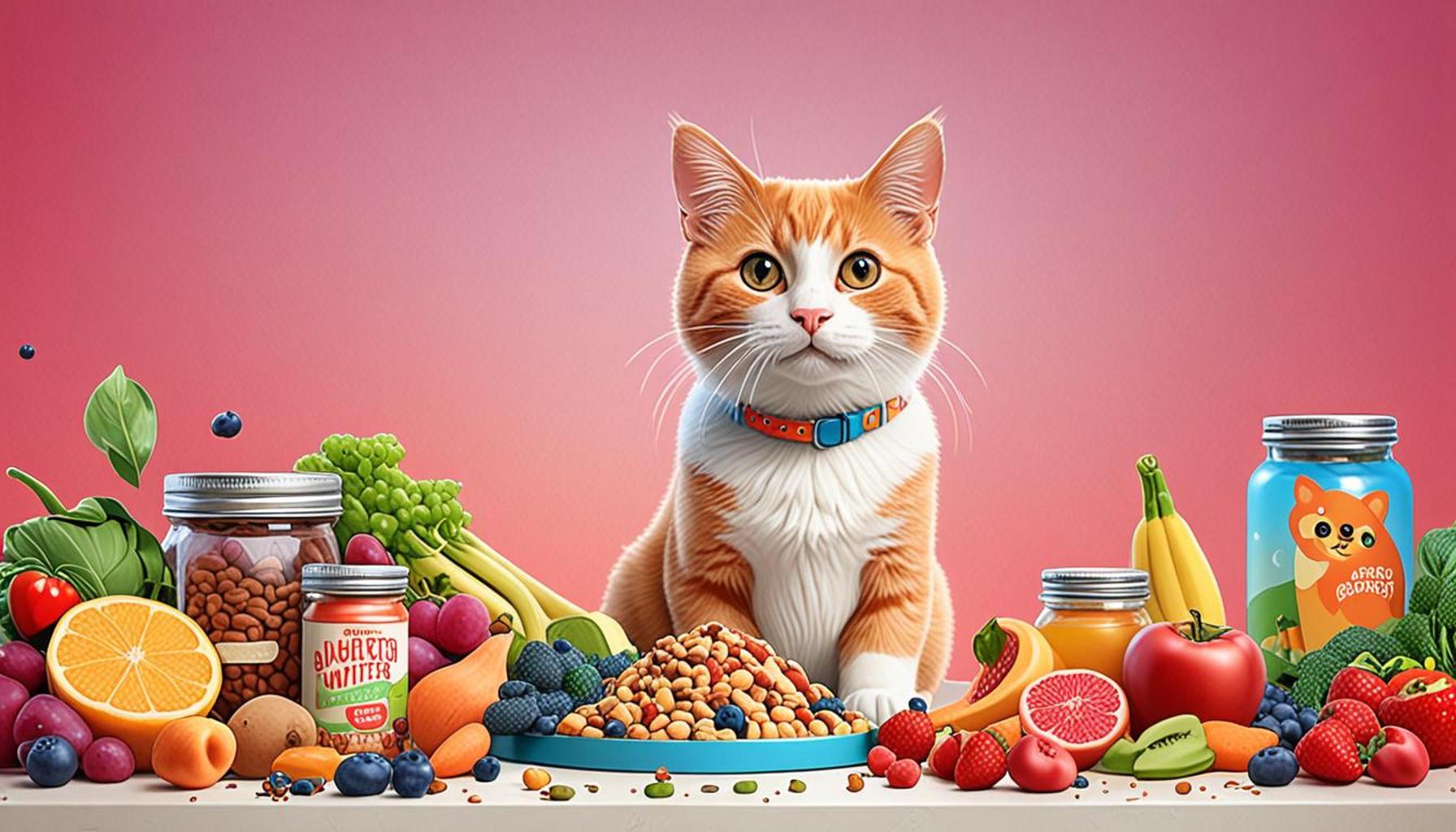
Understanding Balanced Nutrition for Pets
Maintaining your pet’s health significantly relies on their diet. Balanced nutrition is essential for the longevity, vitality, and overall well-being of your beloved animal companions. Just like humans, pets require a variety of nutrients to thrive. This necessity prompts the pet owner to adopt a well-rounded approach to feeding, ensuring that all critical dietary components are included in their pets’ meals.
Consider the key components that contribute to a balanced diet for pets:
- Proteins: These are the building blocks of the body, crucial for growth and tissue repair in pets. High-quality protein sources, such as chicken, fish, and lentils, support muscle development and overall health. For instance, a diet rich in proteins can help maintain a healthy weight and promote a shiny coat.
- Carbohydrates: A vital source of energy, carbohydrates help fuel your pet’s daily activities. Ingredients like sweet potatoes, rice, and oats can provide an excellent balance of energy. It’s important to choose complex carbohydrates to ensure steady energy levels without sudden spikes in blood sugar.
- Fats: While often misunderstood, fats are actually important for nutrient absorption and skin health. Omega-3 and Omega-6 fatty acids, found in fish oils and flaxseed, can contribute to a healthy coat and skin, reducing issues such as dry skin and allergies.
- Vitamins: These essential compounds support body functions, including immune response and overall health. Vitamins like A, D, E, and the B-complex group play specific roles, from maintaining eyesight to promoting healthy cell reproduction.
- Minerals: Vital for bone health and metabolic processes, minerals such as calcium, phosphorus, and potassium are critical. A deficiency in these can lead to severe health problems like osteoporosis and kidney issues.
In the United States, many pet owners might not fully understand the impact of feeding practices. Despite the convenience of processed pet foods, there is growing concern about the lack of nutrition they often contain. Many commercial foods may rely on fillers that don’t provide balanced nutrition. Owners should consider reading labels closely, seeking out products that list whole ingredients rather than vague terms.
Research indicates that a nutritional imbalance can lead to serious health issues such as obesity, diabetes, and poor immune function. According to the Association for Pet Obesity Prevention, an estimated 60% of pets in the U.S. are overweight or obese, highlighting a pressing need for better nutrition awareness. Taking the time to educate yourself on pet nutrition can bring about profound benefits. Ultimately, a well-fed pet is a happy pet, leading to an enhanced quality of life for both the animal and its owner. With a careful and balanced approach to nutrition, pet owners can foster a healthier, more vibrant life for their furry companions.
DISCOVER MORE: Click here for tips on keeping your pets safe and comfy

Recognizing Nutrient Requirements for Different Pets
When it comes to balanced nutrition for pets, it is essential to understand that each type of animal has unique dietary requirements. Dogs and cats, the two most common household pets in the United States, necessitate different approaches to their nutrition. Pet owners should take the time to learn about the specific needs of their pets’ species, breeds, and life stages. This awareness can lead to informed decisions regarding food selection and feeding practices.
For instance, dogs are omnivores, which means their diet can consist of both animal proteins and plant-based nutrients. High-quality dog food should ideally include a blend of meats, vegetables, and grains to create a nutritious and balanced meal. Some dogs may even require special diets that cater to specific health conditions such as allergies or digestive issues. It is advisable for dog owners to consult with a veterinarian to formulate a diet that supports their pet’s health.
On the other hand, cats are obligate carnivores, primarily relying on animal-based proteins for their nutritional needs. This means that a diet heavy in quality meats and proteins is critical for felines. Vitamins and minerals should also be included, but in smaller quantities compared to dogs. Pet owners must be cautious with cat food selections; many commercial brands may lack sufficient protein content, leading to deficiencies that affect overall health. Understanding the species-specific requirements is fundamental in promoting a balanced diet.
To effectively meet these dietary needs, consider the following dietary components:
- Age Appropriateness: Puppies and kittens have vastly different nutritional needs compared to adult pets. Young animals require higher caloric intake and specialized nutrients essential for growth and development.
- Activity Level: Active pets may require more protein and calories, whereas sedentary pets may benefit from lower calorie options to prevent obesity.
- Health Conditions: If your pet has pre-existing health conditions, such as diabetes or kidney disease, tailored nutrition can play a crucial role in managing these issues effectively.
Incorporating these considerations into your pet’s nutrition can enhance their quality of life while potentially extending their lifespan. Many veterinarians advocate for the use of high-quality, natural pet foods that minimize artificial additives and fillers. Reading food labels and understanding ingredient quality can empower owners to make more educated choices for their pets’ diets.
Ultimately, the goal of balanced nutrition is not only to satisfy hunger but also to fortify health, promote well-being, and enhance the relationship between pets and their owners. By prioritizing the nutritional needs of pets, owners can contribute significantly to their overall happiness and vitality.
| Category | Details |
|---|---|
| Protein Sources | Animals, fish, and plant proteins provide essential amino acids crucial for overall health. |
| Vitamins and Minerals | Incorporating fruits and vegetables enhances vitamin intake and supports immune system function. |
| Healthy Fats | Omega-3 and Omega-6 provide energy and support skin and coat health. |
| Hydration | Access to fresh water helps maintain metabolic processes and promotes organ function. |
Balanced nutrition plays a pivotal role in promoting optimal pet health and longevity. A diet tailored to a pet’s specific needs, age, and breed can significantly influence their behavior and energy levels. For instance, dogs and cats that receive adequate nutritional components are more likely to exhibit better performance in physical activities and maintain a healthy weight, reducing the risks of obesity-related diseases. Moreover, the inclusion of whole foods rich in antioxidants can combat oxidative stress and contribute to overall wellness. Raw and minimally processed diets are becoming increasingly popular among pet owners, as they closely mimic natural eating habits, providing pets with the nutrients they require for a vigorous lifestyle. In understanding the importance of balanced nutrition, pet owners must also be mindful of potential food allergies and sensitivities, which can arise from improperly formulated diets. Customizing a pet’s meal plan with high-quality ingredients is vital. By fostering communication with veterinarians regarding dietary needs and preferences, owners can ensure their pets receive a balanced diet that adequately supports long-term health and well-being. Investing time in proper nutrition is not just a responsibility; it is an opportunity to enhance the quality of life for pets.
DISCOVER MORE: Click here to learn how temperature affects your pets
The Role of Nutritional Balance in Preventing Common Health Issues
Alongside understanding the nutrient requirements specific to each pet, exploring how balanced nutrition plays a pivotal role in preventing common health issues is crucial for every pet owner. A well-rounded diet can significantly mitigate various health problems that pets may encounter throughout their lives, making it a foundational aspect of responsible pet ownership.
One of the most prevalent concerns for pets, particularly dogs and cats, is obesity. According to the Association for Pet Obesity Prevention, an estimated 56% of dogs and 60% of cats in the United States are classified as overweight or obese. This alarming statistic underscores the importance of tailored nutritional plans that align with an individual pet’s activity level and metabolism. Pet owners can prevent obesity by ensuring they provide appropriately portioned meals, focusing on a diet rich in whole foods while limiting treats and high-calorie snacks. Including low-calorie vegetables as fillers can also be beneficial, providing satiety without unnecessary fat and calories.
Another critical health issue that arises from poor nutrition is dental disease. Many pets develop dental plaque and tartar buildup, leading to gingivitis and periodontal disease. This condition can cause pain, tooth loss, and other systemic health problems. Selecting pet foods designed to promote dental health—such as those with specific texture to reduce tartar buildup—can support oral hygiene. Additionally, incorporating dental chews and providing regular dental care through brushing or professional cleanings can dramatically improve your pet’s dental health.
Moreover, certain breeds may be genetically predisposed to specific health conditions, making it essential for pet owners to proactively manage their nutrition. For instance, large dog breeds like Great Danes are prone to bloat, a serious condition that can be exacerbated by overeating or rapid eating. Implementing feeding routines that involve smaller, more frequent meals and slow-feeding bowls can significantly decrease this risk. On the other hand, breeds like Siamese cats may be more susceptible to urinary tract issues and may benefit from a diet formulated to promote urinary health. Awareness of breed-specific tendencies can help owners make informed dietary choices to prevent potential health complications.
Pet owners should also remain vigilant about food allergies and intolerances. Allergic reactions can manifest as skin irritations, gastrointestinal disturbances, or behavioral changes. Identifying and managing food allergies through hypoallergenic diets or elimination trials can provide relief and improve the overall quality of life for pets affected by these sensitivities. Consulting with a veterinarian can facilitate the right approach to dietary adjustments when allergies are suspected.
It is imperative for pet owners to remain educated about the ingredients in their pets’ food. Not all pet food brands are created equal, and ingredients can vary widely in quality. Opting for products that specify using real meat as the first ingredient, devoid of artificial preservatives and fillers, can ensure pets receive essential nutrients in their diet. Reading labels and conducting periodic research on pet food brands will empower owners to make knowledgeable choices that can sustain their pets’ health.
In summary, a keen understanding of how balanced nutrition influences common health issues can help pet owners foster a proactive approach to their pet’s well-being, ensuring a happier, healthier life for their beloved companions.
DISCOVER MORE: Click here to find the perfect toys for your furry friend!
Conclusion: The Foundation of Pet Wellness
In conclusion, balanced nutrition emerges as a cornerstone of pet health and wellness. By providing pets with a varied diet rich in essential nutrients, owners can not only enhance their pets’ quality of life but also safeguard against a myriad of health concerns. From preventing obesity, a prevalent issue affecting an alarming number of pets in the United States, to addressing dental hygiene and breed-specific predispositions, the implications of nutrition extend far beyond mere sustenance.
Furthermore, as pet owners, it is vital to remain educated about the food choices available in the market. Awareness of ingredient quality, coupled with an understanding of food allergies and special dietary needs, can enable optimal health outcomes. Frequent consultations with veterinarians can provide tailored dietary plans, ensuring that pets receive the best care possible. Researching pet food brands and understanding their formulations will place owners in a position to make informed decisions that can profoundly affect their furry companions’ health.
Ultimately, cultivating a conscientious approach to pet nutrition not only results in healthier, happier pets but also strengthens the human-animal bond. As advocates for our pets’ welfare, investing time and effort in understanding the importance of balanced nutrition is essential, thus paving the way for a longer, fulfilling life together. Let’s prioritize the nutritional needs of our pets today for a brighter, healthier tomorrow.