How to Choose the Right Toys to Stimulate Pet Development
Understanding Your Pet’s Needs
Choosing the right toys for your pet is a fundamental aspect of pet ownership that goes beyond mere entertainment. Proper toy selection can significantly contribute to your pet’s overall development, happiness, and well-being. Whether you’re a new pet owner or a seasoned enthusiast, understanding your pet’s needs is vital in ensuring they receive the best care possible.
Age Matters
When considering toys, the pet’s age plays a critical role. Puppies and kittens typically require toys that can withstand their chewing tendencies while also being safe for their developing teeth. For example, soft rubber toys are suitable for young pets due to their safety and chewable nature. On the other hand, older pets may prefer less chewy, more mentally stimulating toys, such as puzzle games that encourage problem-solving skills.
Choosing the Right Size
Size is another important factor. A toy that is too small can pose a choking hazard, especially for larger breeds, while an oversized toy may not capture the interest of smaller pets. For instance, a Chihuahua might struggle to engage with a toy designed for a Great Dane. It’s essential to select toys that are proportional to your pet’s size to ensure they can interact with them safely and effectively.
Activity Level and Energy Needs
Understanding your pet’s activity level is equally important. Highly active dogs, such as Border Collies or Australian Shepherds, thrive on physically demanding toys that promote exercise. Interactive fetch toys or tug ropes can provide them with the active engagement they need. Conversely, less active animals may benefit more from calm, soothing toys that engage their senses, such as soft plush toys or treat dispensers that encourage slow play.
Categories of Pet Toys
With a plethora of toys available in pet stores and online, exploring different categories can help simplify your choices. Here are some essential types of toys to consider:
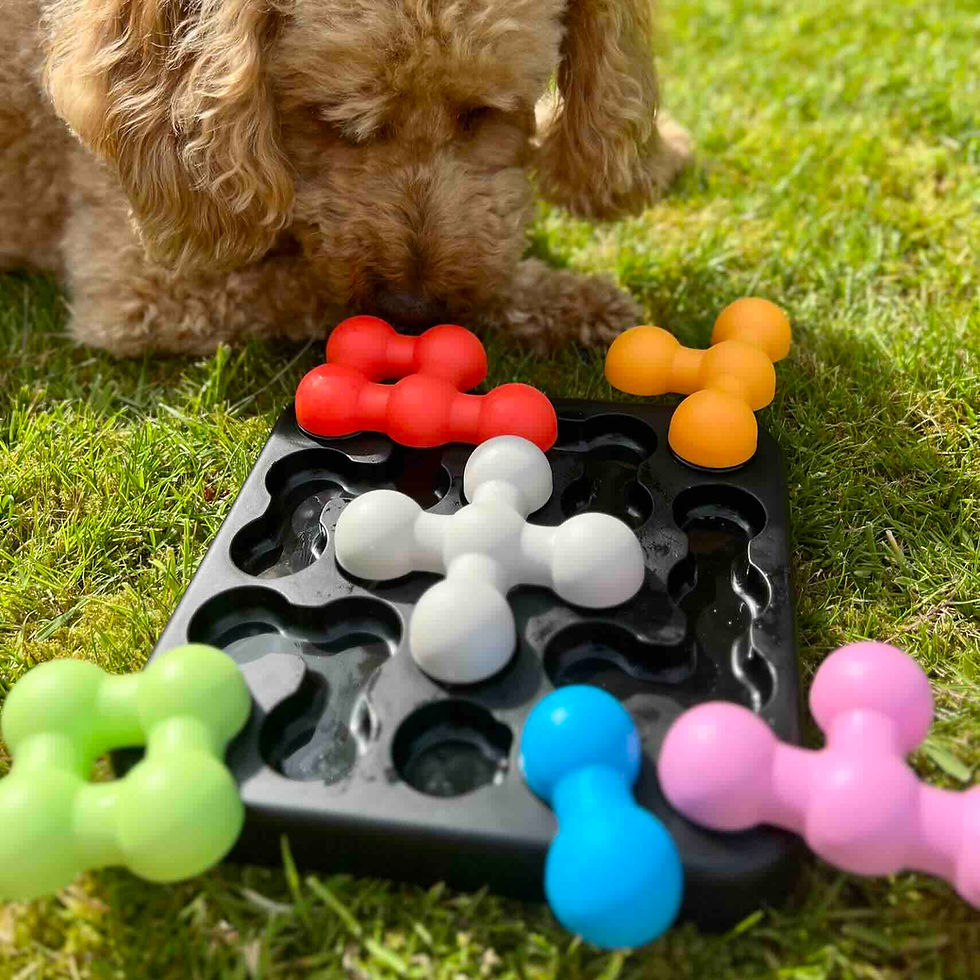
- Chew Toys: These are often made from durable materials designed to if you’re a pet owner, you’ve likely seen your furry friend go to town on various items. Chew toys not only satiate a pet’s natural urge to chew but can also assist in maintaining dental hygiene. Look for options such as rubber bones or dental chews that specifically cater to your pet’s chewing habits.
- Interactive Toys: These toys foster mental engagement, which is crucial for boredom prevention. Puzzle feeders that dispense treats when solved can keep a pet entertained for hours, as they stimulate their brain and encourage them to think critically while enjoying a yummy reward.
- Fetch Toys: From traditional balls to flying discs made of soft materials, fetch toys are fantastic for bonding and exercise. Engaging in a game of fetch not only helps burn off excess energy but also reinforces your pet’s training and stimulates their instincts.
Ultimately, selecting the right toy can enhance your pet’s quality of life. When you take the time to assess their unique characteristics and preferences, you’re investing in their happiness and development. Therefore, make it a priority to research, experiment, and observe which toys resonate best with your furry friend. The perfect toy could very well be the key to unlocking endless joy and vitality in your pet’s life. So, let your exploration for outstanding pet toys truly begin!
DISCOVER MORE: Click here to learn about effective training techniques
Assessing Your Pet’s Personality
Beyond age and size, assessing your pet’s personality is crucial to selecting the right toys that will stimulate their development. Just like humans, pets have unique temperaments that influence their preferences and play styles. Observing how your pet interacts with different environments and activities can provide valuable insights into their toy choices.
Understanding Play Styles
Every pet has a distinct play style, which can often be categorized into a few primary types: chaser, chewer, nurturer, and solitary player. Chaser pets, like many dogs, enjoy toys that allow them to run and chase, making fetch toys an ideal option. Chewers require durable toys that can withstand their relentless gnawing, ensuring safety and longevity. Nurturers, such as some cats, prefer plush toys that they can carry and “care for,” mimicking their instinct to nurture. Finally, solitary players thrive on toys that can engage them independently, such as interactive puzzles.
Observing Their Reactions
Pay attention to your pet’s reactions when introducing new toys. Are they excited and eager to engage or indifferent and unimpressed? A toy that immediately captures your pet’s attention may signal a good match for their personality. On the flip side, if your pet shows little interest, it may be worth exploring different designs or textures. Keeping a watchful eye can lead to discovering what truly resonates with them, leading to enhanced mental stimulation and overall enjoyment.
The Importance of Variety
Just as children benefit from varied experiences and activities, pets also thrive on a diverse selection of toys. Rotating toys in and out of play can keep a pet’s interest alive and avoid boredom, a common issue that can lead to destructive behavior. Here’s a list of toy types to consider for creating a balanced playtime experience:
- Soft Plush Toys: Perfect for cuddling and carrying, these toys appeal to nurturers and can provide comfort.
- Interactive/Challenge Toys: Designed for mental engagement, these toys can include treat dispensers or puzzles tailored to challenge your pet’s problem-solving abilities.
- Fetching/Active Toys: Ideal for energetic pets, these provide opportunities for exercise and can include balls, frisbees, or tug ropes.
- Chew Toys: Durable and often made from rubber or nylon, these toys cater to pets who have a natural inclination to chew.
- Noise-Making Toys: Toys that squeak or crinkle can stimulate and grab a pet’s attention, especially with dogs who react excitedly to sound.
Keeping a variety of toys on hand tailored to your pet’s personality fosters not only engagement but also a healthier lifestyle. By making thoughtful choices based on your pet’s individual characteristics, you’re setting the foundation for a joyful and fulfilling play experience, promoting both physical and emotional development.
Understanding Your Pet’s Developmental Needs
When considering how to choose the right toys to stimulate pet development, it is crucial to understand the various stages of your pet’s life. Different ages necessitate different types of stimulation. For instance, puppies and kittens require toys that not only entertain but also promote biting and chewing to aid in the development of their teeth. On the other hand, older pets may benefit from toys that encourage mental stimulation and physical activity, helping to stave off cognitive decline as they age.
Types of Toys for Development
There are three primary categories of toys that cater to different aspects of pet growth: interactive toys, chew toys, and puzzle toys. Interactive toys foster engagement and bonding experiences between pets and their owners, while chew toys focus primarily on dental health and stress relief. Puzzle toys, a rapidly growing trend in pet development, challenge pets mentally and are excellent for enhancing cognitive functions. Choosing toys from each category ensures a well-rounded approach to stimulating your pet’s development.
Assessing Safety and Durability
Selecting toys that are not only stimulating but also safe for your pet should be a top priority. Look for toys made from non-toxic materials, especially if your pet has a tendency to chew or eat parts of their toys. Durability is equally important; opting for sturdy toys can save you money and prevent potential choking hazards. Brands that offer warranties or guarantees often provide a good indication of quality and reliability.
Staying Engaged with Your Pet’s Preferences
As you explore toy options, it is essential to pay attention to your pet’s preferred play styles. Some pets are more enthusiastic about chasing and fetching, while others may prefer chewing or interactive play. Assessing your pet’s behavior when introducing new toys can provide you with valuable insights into what they enjoy most. This engagement not only strengthens your bond but also encourages regular play, keeping your pet physically and mentally stimulated. In summary, ensuring that you consider safety, developmental needs, and individual preferences while selecting toys will not only stimulate your pet’s development but also enhance the quality of your pet’s life. This initiative opens doors for active play, strong relationships, and long-term health benefits.
| Toy Category | Benefits |
|---|---|
| Interactive Toys | Stimulates bonding and social skills. |
| Chew Toys | Promotes dental health and relieves stress. |
| Puzzle Toys | Enhances cognitive development and problem-solving skills. |
DISCOVER MORE: Click here to learn about the benefits of obedience training for your senior dog
Safety Considerations
While selecting engaging toys for your pet’s development, it is essential to prioritize safety. Pet toys can vary significantly in their construction materials and durability, which can directly impact your pet’s health. Always ensure that the toys you choose are made from non-toxic materials, especially for pets that are prone to chewing. Check for any choking hazards, such as small parts or detachable elements, which can hinder safe playtime.
Age-Appropriate Options
Not all toys are suitable for every life stage. Young puppies and kittens often require softer, gentler toys to accommodate their developing teeth and gums. Likewise, older pets may benefit from toys designed to maintain dental health or ease joint pressure. A toy that is appropriate for a pet’s age will not only offer the right level of challenge but will also ensure comfortable play, fostering longer engagement. For instance, teething toys made from rubber or silicone can soothe aching gums while also promoting healthy chewing habits.
Monitoring Wear and Tear
It is crucial to regularly inspect your pet’s toys for any signs of wear and tear. Over time, toys can break down, creating potential hazards. If you notice any fraying edges, visible damage, or detachable parts, it may be time to retire the toy. Pets often have a habit of chewing off small pieces that could pose choking risks or lead to intestinal blockages. Establishing a regular toy assessment routine can keep your pet safe while ensuring they engage with stimulating and enjoyable toys.
Choosing Environmentally-Friendly Toys
As awareness of environmental sustainability grows, many pet owners are now choosing eco-friendly toys made from sustainable materials. These toys still provide the same level of engagement, but they contribute to a greater cause. Brands that focus on sustainability often use recycled materials or organic fabrics, which can be a win-win for both your pet and the environment. Opting for these products demonstrates social responsibility while ensuring that your pet’s development does not come at an ecological cost.
Involving Your Pet
Involving your pet in the decision-making process of toy selection can significantly enhance their engagement and enjoyment. Some pet supply stores allow pets to interact with various toys, providing insight into which types your pet is most excited about. For example, allowing a dog to play with different balls or tug toys can reveal their preferences for size, texture, and sound. Similarly, taking your cat to a store with interactive options gives them a chance to showcase their interests, leading to more thoughtful purchases.
By considering safety along with your pet’s individual preferences and play styles, you’ll not only boost their happiness but also contribute to their overall growth and well-being. Making informed choices about toys can lay the groundwork for endless joyful moments while ensuring your pet develops healthy habits and skills.
IMPORTANT: Click here to learn about toxic foods to avoid for your pets
In Conclusion
Choosing the right toys to stimulate your pet’s development goes beyond mere entertainment; it is a critical aspect of promoting their physical and mental well-being. As highlighted, considerations such as safety, age-appropriateness, and wear and tear play vital roles in ensuring that toys serve their intended purpose without compromising your pet’s health. Additionally, selecting environmentally-friendly toys allows pet owners to align their choices with sustainability efforts, fostering a sense of responsibility towards the planet.
Moreover, actively involving your pet in the selection process can lead to enhanced enjoyment and engagement. By understanding their preferences and play styles, you can make thoughtful choices that resonate with their unique personalities, ensuring that playtime is both exciting and beneficial. Remember, a well-chosen toy can be more than just a source of joy; it can also contribute significantly to your pet’s development, helping to build skills that are essential for their growth.
As you embark on this journey of toy selection, take time to explore different options, consult with professionals if needed, and stay attuned to your pet’s evolving needs. The right toys can pave the way for nourishing experiences that not only entertain but also enrich your pet’s life, ultimately leading to a happier and healthier companion. So, whether you are browsing at a pet store or shopping online, let your choices reflect the love and care you have for your furry friend.