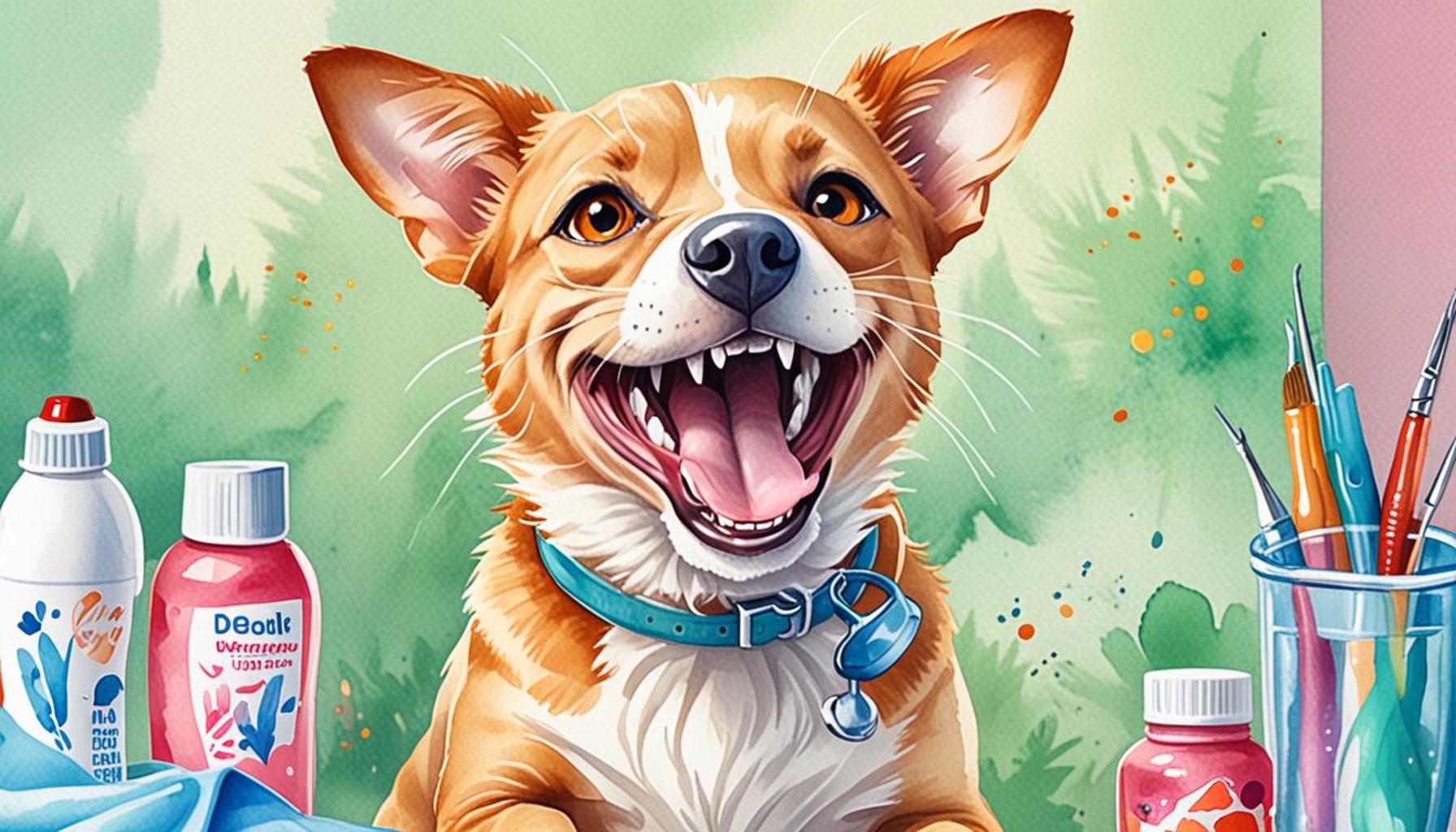
The Importance of Oral Hygiene in the Overall Health of Pets
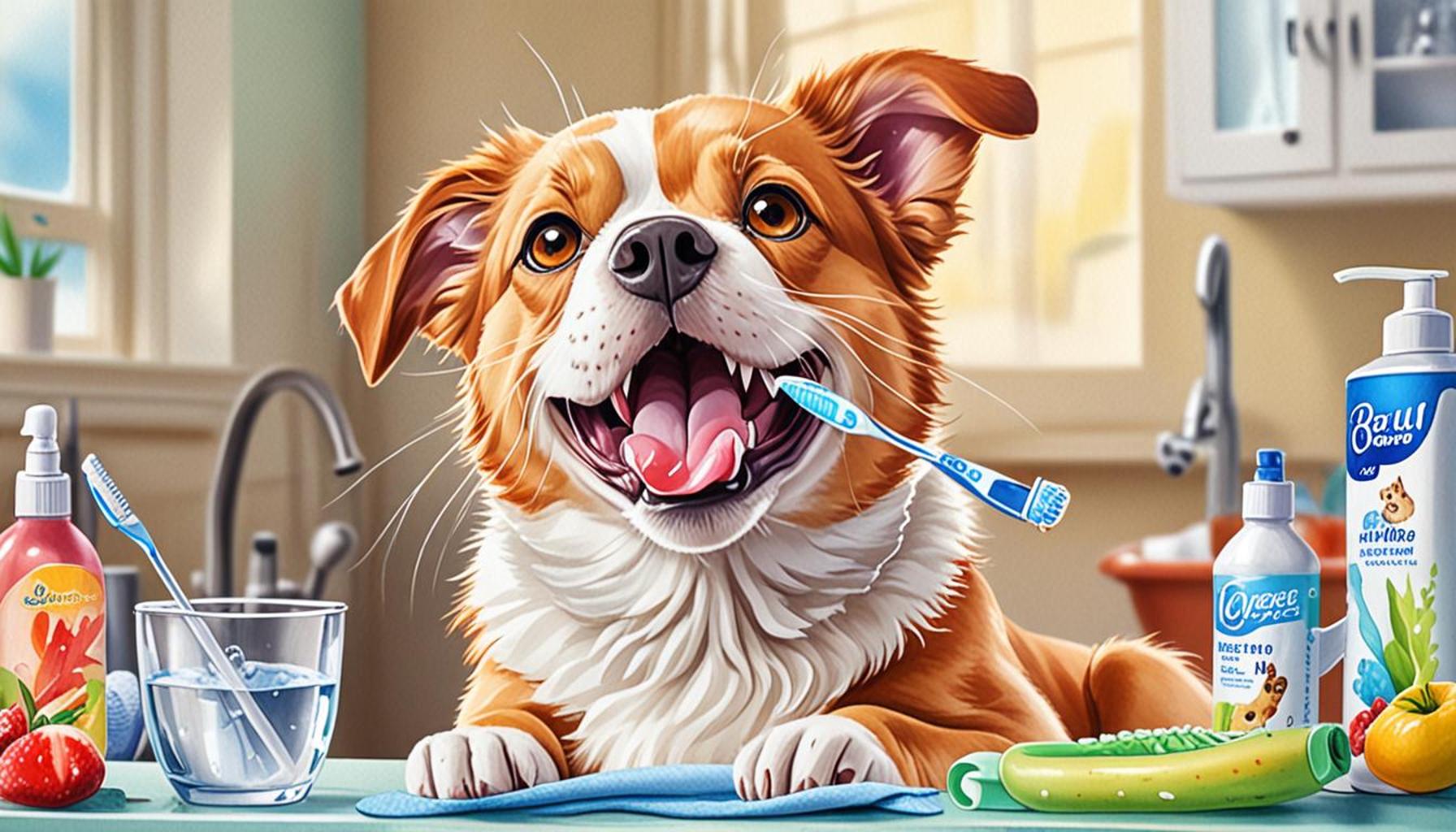
Why You Should Pay Attention to Your Pet’s Dental Health
Keeping your pet healthy goes beyond just a balanced diet and regular exercise. Oral hygiene plays a crucial role in maintaining their overall well-being. Regular dental care is an essential part of pet ownership that can often be overlooked, leading to a cascade of health issues down the line that may seem unrelated at first glance.
Consider the following reasons why oral hygiene is vital for your furry friends:
- Prevents dental disease: Without regular brushing and dental checkups, plaque can accumulate on your pet’s teeth, eventually hardening into tartar. This buildup leads to dental diseases like gingivitis and periodontal disease, which cause pain, inflammation, and tooth loss. Early intervention through routine brushing and dental treats designed to promote oral health can drastically reduce the risks. For instance, using pet-safe toothpaste not only helps clean teeth but adds flavor dogs and cats love, making the brushing experience enjoyable.
- Affects overall health: The mouth serves as a gateway to your pet’s body, and harmful bacteria from dental issues can enter the bloodstream. Once in the bloodstream, these bacteria can travel to major organs such as the heart and kidneys. Studies indicate that pets with untreated periodontal disease are at a higher risk of heart and kidney issues. Therefore, routine dental care can significantly reduce the risk of these systemic complications.
- Improves quality of life: Healthy teeth and gums are paramount for your pet’s comfort and overall happiness. Dental pain can lead to behavioral changes such as irritability or withdrawal from social interaction. Additionally, conditions affecting dental health can alter your pet’s ability to eat, play, and engage with their human companions. A simple, regular dental routine can prevent these painful conditions, allowing your furry friend to enjoy a higher quality of life.
According to statistics, nearly 80% of dogs and 70% of cats develop dental disease by age three. This alarming number is a strong indicator of why pet owners must include dental hygiene practices into their pets’ care routines. Regular veterinary dental evaluations should not be an afterthought; they should be as routine as vaccinations and annual check-ups.
Moreover, there are many effective methods for maintaining your pet’s dental health beyond traditional brushing. Dental chews, water additives, and specialized dental diets can all contribute to better oral hygiene. Regular visits to the veterinarian for cleanings and checkups are equally essential, offering professional treatment that can prevent issues before they escalate.
Ultimately, by prioritizing oral hygiene, you can ensure that your pet thrives physically and emotionally. The journey to discovering effective dental care methods for your pets is rewarding and significantly contributes to their overall health. Investing in your pet’s dental well-being is investing in a longer, happier life together.
LEARN MORE: Click here to discover the role of foster care in pet adoption
Understanding the Link Between Oral Hygiene and Health
Oral hygiene is not just a cosmetic concern for pets; it is a fundamental aspect of their overall health. As pet owners, it is crucial to recognize that poor dental care can lead to serious health complications, affecting not just the mouth but the entire body. The implications of neglecting oral health in pets extend far beyond bad breath and stained teeth.
Research shows that 80% of dogs and 70% of cats will experience dental disease by the age of three. These staggering statistics underline the urgency of prioritizing dental care. The bacteria that thrive in unhealthy mouths can create significant problems, infiltrating the bloodstream and causing widespread damage to vital organs. Let’s delve deeper into why maintaining your pet’s dental health is essential:
- Dental plaque and tartar buildup: Regular brushing and the use of dental treats can help combat plaque accumulation. If plaque is not managed, it hardens into tartar, which exacerbates inflammation and leads to gum disease. This condition can result in painful infections, tooth loss, and severe discomfort for your pet.
- Systemic health risks: Bacteria from dental diseases can enter the bloodstream, affecting organs like the heart, liver, and kidneys. Pets with gum disease are at a significantly greater risk of developing conditions such as endocarditis, a serious infection of the heart tissue. This illustrates how poor oral health can have lasting repercussions on your pet’s overall health.
- Behavioral changes: Pets in dental pain may exhibit changes in behavior, including aggression, increased vocalization, or a reluctance to be touched. This behavioral shift can impact their bond with humans and other animals, as it can make them less sociable. Ensuring your pet has healthy teeth and gums helps preserve not just their health but their happiness as well.
- Increased veterinary costs: Neglecting oral hygiene can lead to significant veterinary expenses down the line. Procedures for cleaning, extractions, and treating advanced periodontal disease can become costly. Investing in routine dental care can help mitigate these future expenses while also improving your pet’s health and quality of life.
When it comes to supporting your pet’s overall health, incorporating oral hygiene into your pet care routine is paramount. Many pet owners are unaware that plaque formation begins just a few hours after brushing, which emphasizes the need for regular dental care. Utilizing a combination of daily brushing, veterinary checkups, and dental treats tailored for pets can set the foundation for a healthier future.
Being proactive about your pet’s dental health not only enhances their quality of life but also can greatly influence their longevity. Creating a dental care routine may seem challenging at first; however, with consistent effort and the right tools, it can evolve into an easy and rewarding practice for both you and your furry companion.
The Importance of Oral Hygiene in the Overall Health of Pets
Oral hygiene is a critical, yet often overlooked, aspect of pet care that significantly impacts their overall health. Just as in humans, pets can suffer from various dental diseases that lead to serious health complications. Regular monitoring and care of your pet’s teeth can prevent painful conditions that may affect their quality of life.One prevalent issue is periodontal disease, which occurs when plaque builds up on teeth, leading to infections and inflammation of the gums. This condition not only causes discomfort for pets but can also result in bacteria entering the bloodstream, leading to issues with organs like the heart and kidneys. Keeping your pet’s mouth healthy is therefore essential to maintaining their internal health.Another significant aspect of oral hygiene is its influence on your pet’s eating habits and nutrition. Pets suffering from dental issues may refuse to eat or may develop specific dietary preferences that are detrimental to their overall health. By ensuring that your pet has clean teeth and healthy gums, you can support their dietary needs and overall well-being.Incorporating regular dental check-ups into your pet’s routine is crucial. During these visits, a veterinarian can provide professional cleanings and identify potential issues before they escalate. Moreover, educating pet owners on proper dental care practices at home can be incredibly beneficial. This includes daily brushing, providing dental treats, and using appropriate oral care products tailored to pets.To enhance your understanding of this topic, here’s an insightful table highlighting key advantages of maintaining oral hygiene in pets:
| Advantage | Details |
|---|---|
| Improved Overall Health | Healthy teeth and gums support the proper functioning of vital organs. |
| Enhanced Quality of Life | Regular dental care leads to less pain and more enjoyment during meals. |
By prioritizing oral hygiene, pet owners can improve the longevity and happiness of their beloved companions. There lies a substantial responsibility in maintaining your pet’s dental health, which marks a commitment to their overall quality of life. Explore more about the best practices for dental care, and take proactive steps to integrate these habits into your pet’s routine.
DIVE DEEPER: Click here to learn more
The Ripple Effects of Neglecting Dental Care
The repercussions of insufficient oral hygiene extend into numerous areas of a pet’s life, affecting both the pet and the household. Understanding these ripple effects can motivate pet owners to prioritize oral care as an essential part of pet health.
First and foremost, bad breath—or halitosis—serves as one of the initial indicators that your pet’s oral health may be declining. However, it is essential to recognize that foul-smelling breath is typically a symptom of underlying issues that may worsen if left unaddressed. Pet owners often ignore this warning sign, dismissing it as a minor nuisance rather than a call to action. It is important to understand that persistent bad breath is indicative of bacterial buildup and gingivitis, both of which can pose substantial health risks.
Furthermore, dental disease is linked to other conditions beyond just the organs mentioned previously. Research has shown a correlation between periodontal disease and diabetes in pets. When dental infections occur, they can exacerbate systemic issues and make diabetes harder to manage. Pets with uncontrolled diabetes are also more vulnerable to infections. Thus, addressing oral health can enhance the management of other chronic conditions, improving your pet’s overall well-being.
Another very tangible impact of poor dental care is the effect it has on nutrition. Pets experiencing dental pain may shy away from their regular food, leading to weight loss and nutritional deficiencies. A diet that is too soft or lacks essential nutrients can lead to long-term health problems and further complicate existing conditions. This can create a vicious cycle, where neglecting oral care leads to dietary changes that affect overall health, thereby further worsening dental conditions.
Preventive Measures to Ensure Optimal Oral Health
Fortunately, pet owners can take several proactive measures to ensure optimal oral health. The American Veterinary Dental College recommends starting a dental care regimen early in your pet’s life. Pet dental chews, for instance, can help reduce plaque and tartar while keeping your pet entertained. Opt for products recognized by veterinary associations for their effectiveness in promoting dental health, and always consult your veterinarian for recommendations.
In addition to dental treats, water additives that help reduce plaque buildup can be incorporated into your pet’s routine. These flavorless supplements can be mixed with your pet’s water and can work to control bacterial growth in the mouth over time. Moreover, incorporating professional cleanings into your veterinary visits is essential. Most vets recommend annual dental checkups, which may need to be more frequent for pets with a history of dental issues.
Despite the steps you can take at home, nothing substitutes the expertise of veterinary professionals. Regular dental exams allow for early detection of dental disease, enabling timely intervention and treatment. The American Veterinary Medical Association emphasizes that veterinary-dentist relationships significantly contribute to the longevity and quality of life of pets. By making oral hygiene a priority, pet owners can help ensure that their furry companions enjoy healthier, happier lives.
In summary, understanding the multi-faceted importance of dental health can lead to more informed decisions about your pet’s care. The benefits of maintaining proper oral hygiene extend beyond pleasing aesthetics to encompass systemic health, nutritional status, and behavioral well-being, making it a critical component of overall pet health management.
DIVE DEEPER: Click here to discover the perfect toys for your furry friends
Conclusion: A Healthy Smile for a Happy Life
In closing, the significance of maintaining oral hygiene in pets cannot be overstated. It is a pivotal aspect of their overall health that influences everything from their nutritional intake to their susceptibility to chronic diseases. By understanding the connections between oral health and systemic well-being, pet owners are empowered to take proactive steps toward ensuring their furry friends lead longer, happier lives.
Neglecting dental care can lead to detrimental effects, not just in the mouth but also throughout the body. The links between dental disease, halitosis, nutritional deficiencies, and conditions like diabetes emphasize the importance of focusing on oral health. Regular professional cleanings and a consistent dental care regimen at home can significantly mitigate the risks associated with poor oral hygiene.
Moreover, equipping yourself with knowledge about effective preventive strategies—such as the use of pet dental chews or water additives—can make a difference in your pet’s quality of life. By committing to a dental care routine, pet owners can foster not only a lovely smile but also a healthier, more vibrant companion.
The journey towards optimal dental hygiene may require effort and dedication, but the rewards are immeasurable. Prioritizing your pet’s oral health opens the door to better physical and emotional well-being. With each brush stroke and dental visit, you are investing in a brighter, healthier future for your beloved companion. Remember, a healthy smile means a happy life!