Preventive Care: Vaccination and Regular Check-ups for Healthy Pets

Ensuring Your Pet’s Longevity and Well-being
Regular preventive care is crucial for maintaining your pet’s health. Just as in humans, early detection and intervention can lead to a longer, healthier life for our furry friends. By prioritizing vaccination and regular check-ups, pet owners can significantly reduce the risk of serious illnesses that could affect their pets’ quality of life.
Key Benefits of Preventive Care
Investing in preventive care brings numerous advantages that reach far beyond the veterinary office:
- Protection against diseases: Vaccinations guard against common but dangerous ailments such as rabies, parvovirus, and distemper. For instance, rabies is a fatal virus that can affect both pets and humans, and by vaccinating your pet, you not only protect them but also public health.
- Early detection: Regular check-ups help identify health issues before they escalate into more serious conditions. For example, many pets may hide their pain or symptoms until the situation becomes critical; routine vet visits can catch issues like dental disease or heart problems early, allowing for timely intervention.
- Cost-effectiveness: Preventive care can save money by reducing expensive treatments for advanced illnesses. Consider this: treating diabetes in pets can cost thousands of dollars annually. Regular check-ups and proper diet can help prevent such chronic conditions, ultimately saving you money in the long run.
In the United States, various organizations, including the American Veterinary Medical Association, emphasize the importance of adhering to vaccination schedules and routine health checks. These guidelines are tailored to accommodate your pet’s specific needs, considering factors like age, breed, and health history. For instance, puppies and kittens require a series of vaccinations in their early months, while senior pets might need more frequent wellness visits to monitor age-related health changes.
The Role of Pet Owners
As dedicated pet owners, it’s our responsibility to stay informed about our pets’ health. Understanding the vaccination requirements for different terrains in the U.S. is vital, especially if you live in areas that may be prone to certain diseases. For example, if you frequent parks or rural areas, your dog might be more susceptible to leptospirosis, making vaccination essential. Educating yourself on the benefits of consistent veterinary visits fosters a proactive approach toward pet health.
Moreover, being aware of potential symptoms that require veterinary attention, such as sudden weight loss, changes in appetite, or lethargy, ensures that you are acting quickly to address your pet’s needs. Are you ready to take the necessary steps to secure your pet’s future? Your love and attention, combined with professional veterinary care, will undoubtedly lead to a longer and healthier life for your beloved companion.
DISCOVER MORE: Click here to learn about the importance of socialization in puppy training
Vaccination: A Shield for Your Pet’s Health
Vaccination is often the first line of defense when it comes to preventive care for pets. Vaccines work by stimulating the pet’s immune system to recognize and fight off specific diseases, thereby providing vital protection against potentially life-threatening conditions. The importance of adhering to vaccination schedules cannot be overstated, as these timelines are developed based on extensive research and clinical evidence that emphasize their effectiveness in disease prevention.
Understanding Vaccination Schedules
Pet vaccination schedules can vary depending on numerous factors, including age, breed, lifestyle, and health history. Generally, puppies and kittens require their first vaccinations as early as six to eight weeks old. Following this initial series, booster shots are administered at regular intervals to ensure ongoing immunity throughout their lives. Key vaccinations to consider include:
- Core Vaccinations: These are recommended for all pets and include vaccines against diseases such as canine parvovirus, distemper, and rabies.
- Non-Core Vaccinations: These depend on the individual pet’s circumstances, including geographic location and lifestyle. For instance, if your dog frequently visits dog parks or travels to specific regions, vaccines for Bordetella (kennel cough) and leptospirosis might be advised.
- Adult Vaccinations: As pets age, their immunity may wane, necessitating booster doses to ensure they remain protected. Senior animals generally require more frequent evaluations and updated vaccinations to combat age-related health issues.
The Importance of Regular Check-ups
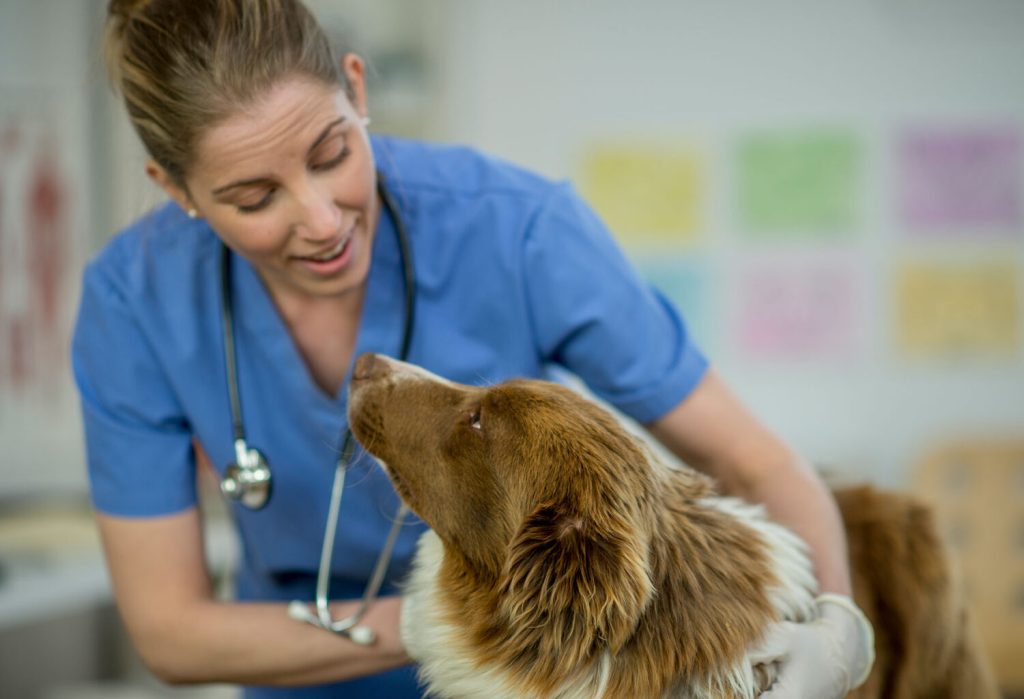
In addition to vaccinations, regular veterinary check-ups are vital components of pet preventive care. Routine visits allow veterinarians to perform comprehensive physical examinations, which can help to detect health issues that might not yet be apparent to pet owners. Early diagnosis can make a world of difference in treatment outcomes. During these check-ups, your veterinarian may:
- Conduct Diagnostic Tests: Blood tests, urinalysis, and imaging can provide critical information about your pet’s internal health.
- Assess Dental Health: Oral health is often overlooked, but it plays a key role in overall wellness. Check-ups allow for monitoring of any dental issues that could lead to more severe health problems if left untreated.
- Advising on Lifestyle Changes: As pets age, their needs may change. Regular visits give your vet the chance to offer tailored advice on diet, exercise, and preventive care adjustments based on your pet’s evolving health status.
Understanding the profound role that vaccination and regular check-ups play in preventive care can empower you as a pet owner to take proactive steps toward ensuring a healthier, longer life for your beloved animal. Embracing these practices will not only benefit your pet’s individual health but also contribute to the broader goal of public health and animal welfare in the community.
| Advantages | Details |
|---|---|
| Early Detection | Regular check-ups can help in identifying health issues before they become severe, allowing for timely treatment. |
| Improved Lifespan | Vaccination and routine examinations contribute to a longer, healthier life for your pets by preventing illness. |
Continuing to explore the importance of preventive care, it’s essential to recognize that vaccinations are not merely for protection; they play a critical role in maintaining your pet’s overall health. Regular vaccinations can shield pets from life-threatening diseases such as rabies, distemper, and parvovirus, drastically reducing the chance of outbreaks in your community.Moreover, scheduled veterinary visits not only allow for necessary vaccinations but also provide a platform for discussions on nutrition, behavior, and dental care, all imperative for a pet’s well-being. These comprehensive examinations form the backbone of preventive health strategies, ensuring that your furry companions live their fullest lives.Pet owners should stay informed about vaccination schedules and understand that missing these crucial appointments can lead to detrimental health impacts. It is truly a partnership—engaging actively with your veterinarian ensures that your pet remains healthy, vibrant, and disease-free. Let’s delve deeper into each aspect to ensure we’re offering the best preventive care possible!
LEARN MORE: Click here for vital information on preventive care
Regular Check-ups: The Cornerstone of Preventive Health
While vaccinations serve as a critical measure in protecting your pet, regular check-ups take this preventive care a step further by ensuring your furry friend’s long-term wellness. Veterinary visits don’t just allow professionals to check vaccine statuses; they are an opportunity for early detection of conditions that might otherwise go unnoticed. This proactive approach can significantly enhance the quality and longevity of your pet’s life.
Assessing Health Indicators
During routine check-ups, veterinarians evaluate various health indicators that represent your pet’s overall well-being. These assessments are fundamental in catching potential health issues before they escalate. Key health indicators that veterinarians typically assess include:
- Weight Management: Maintaining a healthy weight is critical to preventing diabetes, arthritis, and other obesity-related conditions. Regular visits provide a structured opportunity to monitor your pet’s weight and recommend dietary adjustments.
- Skin and Coat Condition: The condition of your pet’s skin and coat can reveal a lot about their health. Regular evaluations can help detect allergies, parasites, or skin infections that may require immediate attention.
- Behavioral Assessment: Changes in behavior can be early indicators of underlying health problems. Your veterinarian can help discern these behaviors and provide necessary interventions, whether behavioral training or medical treatment.
Preventive Screenings Tailored to Your Pet
As pets age, the need for preventive screenings becomes even more paramount. Senior pets, in particular, benefit from more frequent veterinary visits. Your veterinarian may recommend specific tests tailored to your pet’s age, breed, and health history. Common screenings include:
- Blood Pressure Monitoring: Elevated blood pressure can often go unnoticed but can lead to significant complications. Regular screening can allow for earlier intervention.
- Thyroid Testing: Hypothyroidism or hyperthyroidism is common in older pets. Identifying these conditions through simple blood tests can help maintain your pet’s energy levels and metabolic health.
- X-rays and Ultrasounds: Imaging can provide in-depth insights into your pet’s internal health, unveiling conditions like tumors or joint issues before they manifest into more severe problems.
Building a Strong Relationship with Your Veterinarian
Another essential aspect of regular check-ups is the opportunity they present to build a solid relationship with your veterinarian. It’s vital for pet owners to have open lines of communication with their vet, as this collaborative approach can enhance the preventive care experience. Your veterinarian’s insights into your pet’s unique characteristics can lead to tailored health plans that may include:
- Customized Vaccination Plans: Your pet’s specific needs and lifestyle will dictate a personalized vaccination regimen that optimally protects them.
- Dietary Recommendations: Nutrition plays a pivotal role in maintaining health; your vet can help formulate a diet that aligns with your pet’s individual lifestyle and medical history.
- Exercise Regimens: An active pet is often a healthy pet. Regular conversations about exercise habits can inform suitable activities for maintaining both physical and mental health.
By understanding the synergy between vaccination and regular check-ups in preventive care, pet owners can make informed choices that promote not only their pets’ health but also their happiness. This proactive strategy helps ensure that your pet remains a vibrant member of your family for years to come, while also contributing to the broader health of the community. Engaging in these practices fosters a culture that places value on health preservation and disease prevention in pets.
DIVE DEEPER: Click here to discover the advantages of play-based training
Conclusion: A Commitment to Your Pet’s Well-Being
In a world where pet ownership is increasingly cherished, investing in preventive care through vaccinations and regular check-ups is one of the most significant steps you can take to ensure your pet leads a healthy, happy life. The dual approach of keeping vaccinations up to date and scheduling consistent veterinary visits creates a fortified barrier against diseases while addressing emerging health concerns promptly.
As evidenced throughout this article, understanding the importance of maintaining a strong relationship with your veterinarian cannot be overstated. This partnership not only facilitates access to vital health assessments but also ensures that your pet’s health plan is tailored to their individual needs. Couple this with routine evaluations of weight, skin conditions, and behavior assessments, and you create a holistic view of your pet’s well-being.
Moreover, age-specific screenings play a critical role in protecting senior pets against age-related complications; therefore, making time for these appointments is invaluable. The outcomes of such preventive strategies not only safeguard your pet’s health but also contribute to the collective well-being of the community and the environment. By taking these steps, you are actively participating in a culture that prioritizes health preservation and disease prevention, which ultimately extends the time spent with your beloved companion.
Today, let us commit to being proactive rather than reactive. Embrace the preventive care practices discussed, and ensure your pet enjoys a long-lasting, fulfilling life filled with joy and comfort. After all, a healthy pet is a happy pet, enriching our lives and strengthening our bonds.