Nutrition and Oral Health in Pets: How Diet Affects Teeth and Gums
The Importance of Nutrition in Maintaining Optimal Oral Health for Pets
The health of your pet’s teeth and gums is often a reflection of their overall well-being. Many pet owners overlook the correlation between nutrition and oral health, yet it plays a crucial role in preventing dental diseases. By tailoring your pet’s diet, you can significantly influence their dental health and longevity. Recognizing the right dietary choices not only benefits your pet’s mouth health but can also translate to a longer, happier life.
Dental disease is one of the most prevalent health issues in pets, leading to discomfort and serious health complications if left untreated. In fact, studies reveal that over 80% of dogs and 70% of cats exhibit signs of dental disease by the age of three. This discouraging statistic serves as a wake-up call for pet owners, highlighting the urgent need for an informed approach to pet diets.
How Diet Impacts Oral Health
Here are some key factors illustrating how diet directly impacts your pet’s oral health:
- Types of Food: The debate between dry kibble and wet food has implications for dental health. Dry kibble is often recommended because its texture can help scrape off plaque and tartar as pets chew. In contrast, wet food can be higher in carbohydrates and may contribute to plaque accumulation if not combined with dental hygiene practices.
- Ingredients: High-quality proteins and essential nutrients, such as calcium and phosphorus, are vital for promoting stronger teeth and bones. Foods that are rich in omega-3 fatty acids can also reduce inflammation in the gums, providing additional protection against periodontal disease.
- Food Texture: Certain food textures can naturally assist in cleaning teeth during chewing. Dental chews, for example, are designed to reduce plaque buildup and promote fresh breath while providing entertainment and engagement for your pet.
In addition to these factors, the frequency of feeding also plays a role in oral health. Regular feeding schedules can help maintain a balanced digestive system and improve oral condition over time. Furthermore, introducing dental-friendly treats can enhance your pet’s dietary routine, ensuring they have a variety of textures and flavors.
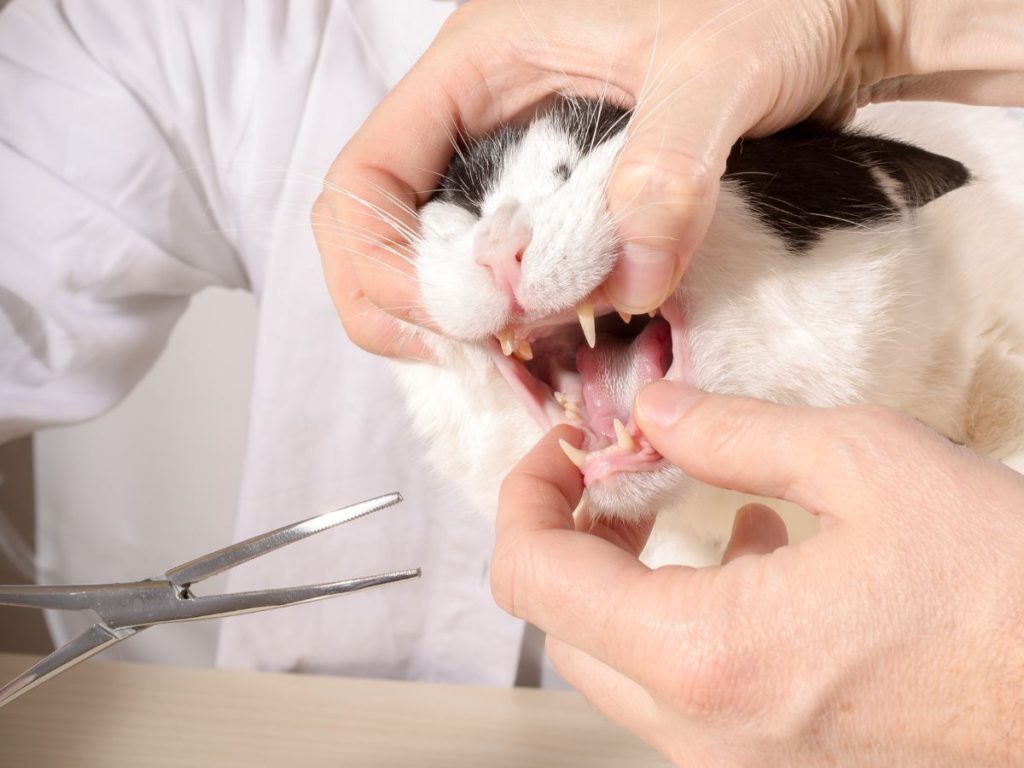
As a proactive pet owner, understanding the significance of nutrition and oral health empowers you to make better choices for your furry companions. Regularly consulting with a veterinarian about dietary recommendations and incorporating oral care products can also make a significant difference. Additionally, routine dental check-ups are advised for early detection and treatment of potential issues.
Exploring how dietary adjustments directly correlate to brighter smiles and healthier lives is paramount in today’s pet care practices. The right food choices can transform not only your pet’s mouth health but can enhance their overall vitality and happiness, ensuring that every wag of the tail or purr of contentment is a reflection of their good health.
DISCOVER MORE: Click here to learn how to add agility training to your pet’s routine!
Understanding the Connection Between Nutrition and Oral Health
The relationship between nutrition and oral health in pets is multifaceted, encompassing various elements that can help either promote or hinder dental well-being. It’s essential for pet owners to realize that a well-balanced diet serves as the foundation for maintaining not just overall health but also healthy teeth and gums. With the right dietary interventions, owners can take proactive steps to combat common dental issues that plague our furry friends.
One of the most significant aspects of pet nutrition affecting oral health is the fiber content in food. Foods that are rich in fiber can encourage better chewing habits, promoting saliva production which naturally helps wash away food particles and bacteria. Increased saliva flow not only helps in breaking down food but also neutralizes acids produced by bacteria in the mouth, thus preventing tooth decay and gum disease. High-fiber diets, preferably from natural sources like vegetables or specialized dental diets, can assist in enhancing the oral hygiene process.
Moreover, incorporating antioxidants into your pet’s diet can significantly enhance gum health. Nutrients such as vitamins C and E, along with other antioxidants, can support gum tissue and potentially reduce inflammation. Foods that include these antioxidants, such as sweet potatoes, blueberries, or specially formulated pet treats, can serve as a beneficial addition to your pet’s diet.
Key Nutritional Considerations for Optimizing Oral Hygiene
When examining dietary impacts on oral health, several key factors should be taken into account:
- Frequency of Treating: The types and frequency of treats given can greatly affect dental health. Chewing on raw bones or dental treats can provide mechanical cleaning, but excessive treats can lead to obesity and other health concerns, ultimately impeding oral health.
- Water Intake: Hydration plays a vital role in oral health, as fresh water helps dilute food particles and bacteria. Ensure your pet has access to clean, fresh water at all times.
- Omega-3 Fatty Acids: These essential fatty acids, found in fish oil and certain fish, help to reduce inflammation and can have a protective effect on gum health, lowering the chances of periodontal disease.
By understanding the integral role that nutrition plays in supporting oral health, pet owners can make choices that bolster their pets’ well-being. Regular consultations with veterinarians for tailored dietary recommendations are invaluable in navigating the often-overlooked complexities of pet nutrition. Additionally, incorporating specially designed dental diets or foods recognized by veterinary dental health organizations can provide further assurance that your pet’s dietary needs align with their oral health requirements.
Ultimately, enhancing your pet’s oral care through mindful nutritional choices not only improves their dental health but adds to their overall lifespan and quality of life. Paying attention to the details of your pet’s diet can yield brighter smiles and a healthier future, making the journey to optimal oral health a rewarding endeavor for both pet and owner alike.
| Category | Details |
|---|---|
| Dental Health Benefits | Maintaining a balanced diet helps in reducing plaque buildup, thus promoting healthier teeth and gums. |
| Nutrient-Rich Foods | Foods high in calcium and phosphorus can strengthen tooth enamel, while antioxidants help in preventing gum disease. |
Understanding the relationship between nutrition and dental health is crucial for pet owners who aim to enhance their furry companions’ overall well-being. Ingredients like kibble can have a scrubbing effect on teeth, helping to minimize tartar. Furthermore, providing a diet that incorporates various enzymes can contribute to fighting oral bacteria, ultimately leading to fresher breath and less gum irritation.Including Omega-3 fatty acids, commonly found in fish oils, may also promote healthy gums and reduce inflammation in the oral cavity. Therefore, pet owners should always consult veterinarians to ensure that their pets receive the essential nutrients for optimal dental health. Such practices do not only contribute to the strength of a pet’s teeth but can also extend the overall lifespan of pets by preventing complications arising from poor oral hygiene.
DIVE DEEPER: Click here to discover the benefits of play-based training
Nutritional Strategies for Promoting Oral Health
To truly harness the power of nutrition in promoting oral health, pet owners should adopt specific strategies that cater to their pets’ unique dietary needs. While many pets thrive on traditional dry kibble, the choice of food, as well as the frequency of feeding, can significantly impact dental health. For instance, feeding a variety of textures, including wet or semi-moist food, can encourage chewing, but it’s crucial to balance this with dental-focused diets that help mechanically clean teeth during consumption.
The Importance of Dental Chews
Dental chews serve a dual purpose in pets’ diets—providing both a tasty treat and a vital means of oral hygiene. These chews are designed to fit into pets’ jaws and require them to chew thoroughly, which can scrape away plaque and food debris from teeth. Products approved by the Veterinary Oral Health Council (VOHC) offer peace of mind that they meet specific criteria for promoting dental health. Regularly incorporating these chews into your pet’s daily routine can create a more enjoyable path to maintaining oral hygiene.
Raw Food Diets: Benefits and Considerations
Another trending nutritional approach is the raw food diet, which some proponents claim can lead to improvements in oral health. Raw bones, for instance, are argued to help clean teeth naturally due to their hardness and texture. However, it’s essential to proceed with caution. The potential benefits must be measured against risks such as broken teeth or gastrointestinal issues. Always consult a veterinarian before making drastic dietary shifts to ensure that the raw food diet aligns with your pet’s requirements.
Watch for Hidden Sugars in Pet Food
While it’s important to focus on essential nutrients, pet owners must also be vigilant about hidden sugars in commercial pet foods. Many products, especially treats, contain high levels of sugar or carbohydrates that can exacerbate tooth decay and gum disease. Always read ingredient labels carefully and opt for low-sugar options to help keep your pet’s mouth healthy. Ingredients like corn syrup and sugar should raise red flags, indicating that the food contributes more to dental woes than benefits.
The Role of Regular Vet Visits
Regular veterinary check-ups can bolster dietary efforts by allowing for early detection of dental problems. Your veterinarian can perform professional cleanings, provide dental assessments, and recommend specific dietary changes based on your pet’s individual needs. Be proactive about scheduling these visits as part of your pet’s overall healthcare routine. Furthermore, carrying forward conversations about nutrition during these appointments will empower owners with knowledge to shape their pets’ diets more effectively.
Training and Behavioral Aspects
Beyond the food itself, the way owners train their pets around eating routines can also influence oral health. Encouraging behaviors such as chewing and slowing down while eating, by using interactive feeding toys or puzzle bowls, can contribute positively to dental health. These methods can foster a natural chewing instinct while preventing overeating, which can lead to obesity and hinder overall wellness, including oral health.
In sum, a comprehensive approach that integrates nutrient-rich diets, appropriate dental products, consistent veterinary care, and behavioral modifications holds the key to unlocking a lifetime of healthy teeth and gums for our beloved pets. The journey to optimal oral health starts with a single choice—making informed decisions about nutrition today can pave the way for healthier tomorrows.
DISCOVER MORE: Click here to learn about dog behavior modification
Conclusion
Understanding the intricate relationship between nutrition and oral health in pets is essential for any responsible pet owner. By recognizing that what our pets consume directly affects their dental well-being, we can take proactive steps to promote healthier teeth and gums. Incorporating a variety of textures in their diets, such as dry kibble and dental chews, can play a significant role in mechanical cleaning while ensuring our pets get the necessary nutrients they need. Additionally, being vigilant about hidden sugars in pet foods can further prevent dental issues like tooth decay and gum disease.
Moreover, a holistic approach encompassing regular veterinary visits can be invaluable. These check-ups not only facilitate early intervention for dental problems but also provide an opportunity for pet owners to discuss dietary concerns specific to their pets. Adding interactive feeding methods promotes healthy chewing habits, preventing not only dental complications but also issues related to obesity, enhancing overall wellness.
Ultimately, investing time and resources into understanding the connection between nutrition and oral health in pets can yield substantial long-term benefits. By making informed choices today, you’re not just nourishing your pet’s body—you are also ensuring a happier, healthier life with a radiant smile. As pet parents, the steps we take to protect our furry friends’ dental health can lead to years of companionship, built on a foundation of vitality and well-being.