The Diversity of Reptiles as Pets: Benefits and Challenges in Breeding

Exploring Reptilian Companions
Reptiles are often regarded as some of the most intriguing and lesser-explored pets available in the animal kingdom. Their distinctive features and behaviors not only captivate the attention of pet enthusiasts but also offer a unique avenue for those seeking companionship that diverges from traditional pets like cats and dogs. For individuals who appreciate the subtleties of wildlife, reptiles can provide a rewarding experience, inviting their owners to engage with nature in a way that is both educational and fulfilling.
Benefits of Keeping Reptiles as Pets:
- Low Maintenance: Compared to more common pets, many reptiles are relatively low-maintenance. For instance, a leopard gecko may only require a monthly feeding of crickets and a simple habitat setup, making it an excellent choice for busy individuals.
- Variety of Species: The world of reptiles offers an impressive array of species to choose from. From the striking colors of the blue-tongued skink to the majestic presence of a ball python, enthusiasts can select from snakes, lizards, turtles, and tortoises, each with unique traits and care requirements.
- Captivating Behavior: The opportunity to observe reptiles in action can be highly engaging. Watching a chameleon’s color change or a snake’s methodical movement provides insights into animal behavior that can be both educational and entertaining.
Despite the alluring benefits, prospective reptile owners must also weigh the inherent challenges of reptile ownership. Understanding both the excitement and the responsibilities of keeping a reptile is crucial for ensuring a healthy and happy pet.
Challenges in Reptile Ownership:
- Specialized Diet: Reptiles often have specific dietary requirements that can complicate care. For example, some species may need a balanced diet consisting of live insects, leafy greens, or even specialized pellets, requiring owners to dedicate time to sourcing appropriate food.
- Environmental Control: A critical aspect of reptile care is maintaining the right temperature and humidity levels in their enclosures. For instance, bearded dragons thrive in hot, dry environments that mimic their natural habitat, necessitating the use of heat lamps and thermometers to monitor conditions closely.
- Legal Regulations: Potential owners should be aware that certain reptiles are regulated or prohibited in specific states or local communities. For instance, some areas have restrictions on owning venomous snakes or larger species due to concerns about public safety and ecological impact.
As we delve deeper into the diversity of reptiles as pets, it’s essential to weigh these benefits against the challenges faced when navigating breeding and care. With careful consideration and adequate preparation, reptile ownership can lead to not only rewarding experiences but also indispensable lessons in wildlife conservation and appreciation.
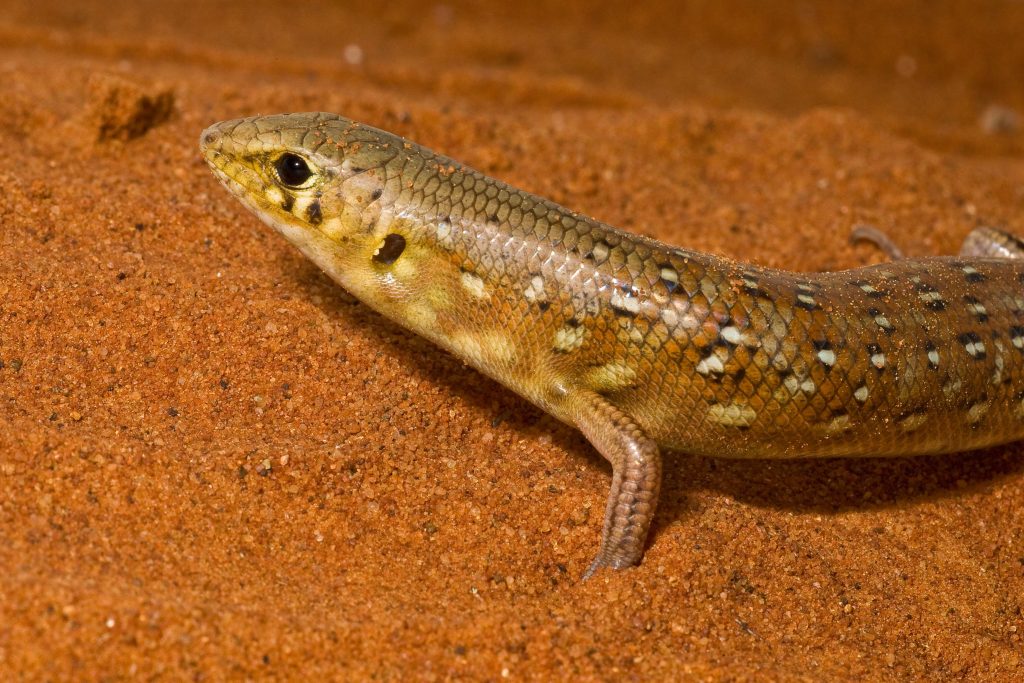
In conclusion, whether it’s the allure of a sleek snake or the tranquility of a slow-moving tortoise, the journey into reptile companionship opens a world of discovery. For prospective reptile owners, thorough research and planning can help unlock the unique rewards that these remarkable creatures have to offer.
DIVE DEEPER: Click here to discover more about clicker training
Understanding Reptilian Diversity
The diversity of reptiles provides pet owners with an exhilarating range of choices, accommodating various lifestyles and preferences. Each type of reptile presents its own set of characteristics, behavioral traits, and specific care requirements, making it essential for potential owners to conduct thorough research before making a commitment. Some of the more common reptiles kept as pets include snakes, lizards, turtles, and tortoises, each offering unique charms and challenges that cater to different pet enthusiasts.
Popular Reptile Species and Their Characteristics:
- Ball Python: Known for their docile nature and manageable size, ball pythons are a favorite among first-time snake owners. Their various morphs—ranging from vibrant yellow to deep black—add to their visual appeal, while their typically calm demeanor makes them easy to handle.
- Leopard Gecko: This small lizard is not only easy to care for but also comes in stunning color variations. They thrive in simple tank setups, and their friendly behavior often endears them to families and novice reptile keepers alike.
- Bearded Dragon: With their distinctive beard-like throat pouch, bearded dragons are known for their engaging personalities and intelligence. These lizards enjoy interaction and can develop strong bonds with their owners, making them excellent companions.
- Red-Eared Slider: These aquatic turtles are widely appreciated for their striking patterns and relative hardiness. They require a clean and spacious aquatic environment, and owners must also ensure proper basking areas to maintain their health.
- Sulcata Tortoise: This large tortoise species is frequently sought after for its impressive size and long lifespan. Owners should be prepared for a significant commitment, as sulcatas need ample outdoor space and specialized diets to thrive.
While the colorful array of reptiles captivates many potential pet owners, understanding their unique breeding challenges is equally crucial. Breeding reptiles can be a rewarding endeavor; however, it requires knowledge of genetics, health considerations, and environmental factors. Few reptile enthusiasts realize that breeding can demand immense time, financial investment, and dedication to ensure the health and wellbeing of both parent and offspring.
Breeding Reptiles: Considerations and Challenges
- Genetic Knowledge: Understanding the genetics of the species is fundamental for responsible breeding. Some colors and patterns are more desirable than others, making it essential for breeders to know how traits are passed down.
- Health Monitoring: Closely monitoring the health of breeding pairs is vital to prevent the transfer of inherited diseases and conditions, as well as ensuring a successful breeding process.
- Incubation Conditions: The success of hatching eggs relies heavily on maintaining the appropriate temperature and humidity throughout the incubation period, which can vary greatly depending on the species.
As we navigate the complexities of owning and breeding reptiles, being well-informed about their diverse range and specific needs allows for a fulfilling partnership. Responsible ownership often leads to exciting learning experiences about wildlife conservation and ethical breeding practices, encouraging passion and respect for these unique creatures.
As pet ownership continues to diversify, reptiles have emerged as fascinating companions that offer both unique advantages and distinct challenges in breeding. Understanding the diversity of reptiles as pets can enhance the experience for both novice and experienced owners, which ultimately contributes to responsible pet ownership. One of the key benefits of keeping reptiles as pets is their relatively low maintenance requirements compared to traditional pets like dogs or cats. Many reptiles, such as snakes and lizards, thrive in controlled environments that replicate their natural habitats. This means pet owners can enjoy their reptilian companions without the constant need for social interaction or exercise typical of more conventional pets. Additionally, reptiles can be a gateway for education about biodiversity, evolution, and ecology, fostering a deeper appreciation for the natural world.However, breeding reptiles comes with its own set of challenges that enthusiasts must navigate carefully. Understanding their specific habitat needs, dietary requirements, and breeding behaviors is crucial. For example, species like bearded dragons and ball pythons have unique reproductive cycles that require deliberate environmental manipulation, including temperature and humidity controls. Moreover, the potential for overpopulation in captive breeding situations raises ethical questions about responsible ownership and wildlife conservation.Another aspect worth considering is the financial commitment involved in both breeding and maintaining reptile pets. Expenses can include habitat setup, specialized lighting, and dietary supplements, not to mention potential veterinary care. As such, prospective owners should carry out thorough research to understand the full scope of care and resources required to successfully breed these creatures.Ultimately, the allure of reptiles as pets lies not only in their captivating appearances and behaviors but also in the opportunity they provide for owners to engage with life sciences. Enthusiasts can create vibrant, thriving ecosystems within their homes and explore the intricate dance of breeding reptiles while contributing to conservation efforts—a joyful challenge for those willing to delve deeper into the world of reptilian care.
LEARN MORE: Click here
Preparing for Responsible Pet Ownership
Owning a reptile is not merely about selecting a species; it involves an ongoing dedication to education and environmental management. The uniqueness of reptiles also means that their care requirements can range dramatically, and potential pet owners must be prepared to accommodate these differences. Understanding the nuances of reptile habitats, dietary needs, and temperament can significantly enhance the pet experience.
Habitat Requirements and Setup:
Each reptile species necessitates a specific set of environmental conditions that mimic their natural habitat. For instance, tropical species like chameleons require high humidity and specific UV lighting, while desert-dwelling species, such as bearded dragons, thrive in drier conditions. The importance of temperature gradients cannot be overemphasized; reptiles are cold-blooded and rely on external heat sources to regulate their body temperature. A well-planned terrarium with designated basking spots, hiding areas, and appropriate substrate is crucial for the health and happiness of pet reptiles.
- Lighting Needs: Providing the right spectrum of UV light is essential for metabolism, calcium absorption, and overall health, particularly in species such as leopard geckos and ball pythons.
- Feeding Regimen: Different reptiles come with distinct dietary requirements—some may be insectivorous, while others might be herbivorous or carnivorous. Understanding and preparing the right diet is integral to successful ownership.
Socialization and Behavioral Understanding:
Behavior plays a crucial role in establishing a successful bond between reptiles and their owners. Social species like bearded dragons often enjoy interaction, but understanding when they prefer solitude is equally important. Recognizing signs of stress—such as excessive hiding or loss of appetite—can be critical in ensuring a reptile’s well-being. Moreover, some pets like the ball python are less social; they may not require interaction in the same way, making it vital to adapt expectations accordingly.
Breeding Reptiles Safely and Responsibly
Engaging in breeding reptiles adds another layer of complexity to pet ownership. Apart from the joy of producing new life, it entails a host of responsibilities. Creating optimal breeding conditions involves understanding seasonal changes in animal behavior and physiology. Many species have specific breeding seasons, creating the need for timing and careful planning.
- Researching Breeding Behaviors: Understanding how male and female reptiles signal readiness to breed is crucial. This often involves monitoring social interactions, as well as recognizing physical signs such as color changes or courtship displays.
- Investment in Health Supplies: Beyond the simple logistics of breeding, a responsible breeder must be equipped with the necessary health supplies for both parents and hatchlings, such as vitamins, preventive medications, and specialized incubators.
- Long-term Care for Hatchlings: Newly hatched reptiles require different care standards than adults. Preparing for the influx of new hatchlings, including their unique dietary and habitat needs, is essential for ensuring a successful breeding outcome.
With continued commitment to understanding the diversity of reptiles and their care requirements, potential owners can cultivate a thriving and rewarding experience. This journey not only enriches the lives of reptile keepers but also fosters a deeper appreciation for the complex ecosystems these fascinating animals originate from.
DISCOVER MORE: Click here to find the perfect vet for your furry friend
Summarizing the Journey of Reptile Pet Ownership
The world of reptile ownership is as diverse as the creatures themselves, offering enthusiasts a myriad of choices—from the vibrant colors of chameleons to the sturdy charm of bearded dragons. Engaging in this fulfilling hobby brings both enrichment and challenges, highlighted by the importance of understanding each species’ specific needs. From habitat setup to appropriate lighting requirements, potential reptile owners must passionately commit to creating supportive environments that reflect these animals’ natural habitats.
Alongside the allure of exotic pets comes the responsibility of breeding. Successfully breeding reptiles not only amplifies the joy of ownership but also emphasizes the necessity for proper education on breeding behaviors and health management. As new hatchlings arrive, a responsible owner takes on the duty of providing optimal care that meets their unique requirements, transforming a personal journey into a communal responsibility for the animals’ quality of life.
In conclusion, embracing the diversity of reptiles as pets offers a unique opportunity to connect with nature while navigating the complexities of their care and breeding. By fostering an informed and dedicated approach, reptile enthusiasts not only nurture their pets but also contribute to the awareness and conservation of these magnificent creatures, encouraging others to appreciate the intricate ecosystems from which they come. As interest in reptile ownership grows, ongoing education, responsible practices, and a commitment to the well-being of these animals will ensure a vibrant future for both reptiles and their devoted caretakers.