Alternative Therapies for Pets: Benefits of Acupuncture and Aromatherapy
Exploring Non-Traditional Healing Methods for Pets
In the quest for better health and wellness for our furry companions, many pet owners are turning to alternative therapies. Among these, acupuncture and aromatherapy are gaining significant attention for their potential to improve the quality of life for pets facing various health challenges. These therapies offer unique approaches that can complement conventional veterinary care, providing pet parents with more options in their pursuit of well-being for their beloved animals.
One of the most compelling aspects of alternative therapies is their holistic benefits. Unlike traditional Western medicine, which often focuses solely on the physical symptoms, acupuncture and aromatherapy strive to address the entire well-being of the pet. By considering a pet’s emotional state and energy balance, these methods can help foster a sense of harmony, which is particularly crucial for pets suffering from anxiety or behavioral issues.
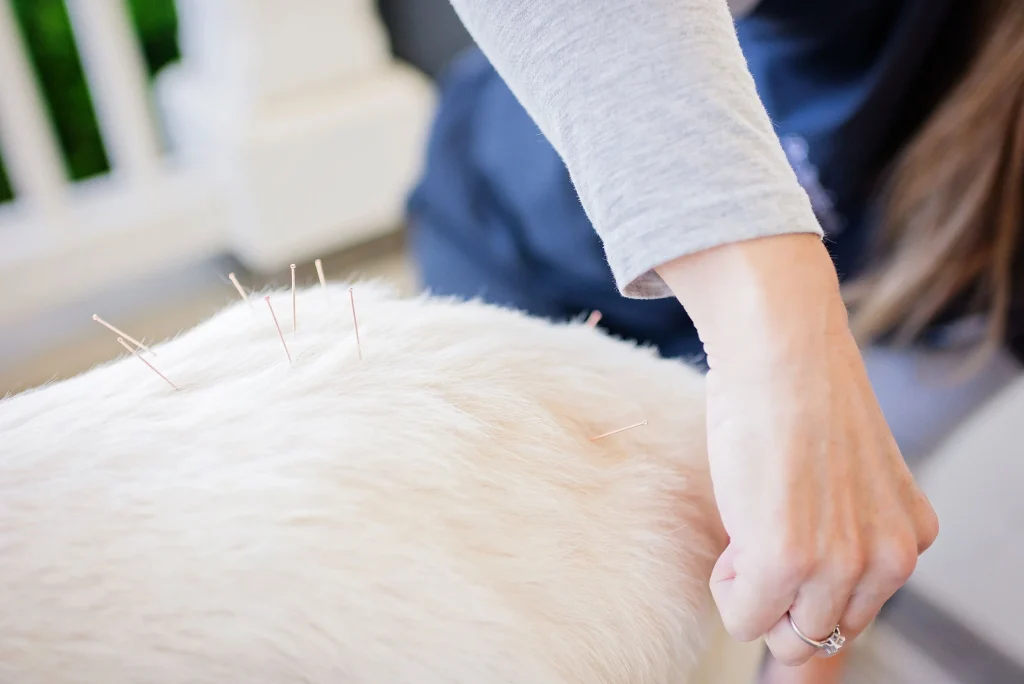
For instance, acupuncture, which involves inserting thin needles at specific points on the body, has shown remarkable effectiveness in chronic pain relief. Many conditions, such as arthritis or post-surgical discomfort, can lead to chronic pain in pets. Numerous studies indicate that acupuncture can alleviate this pain by improving energy flow and circulation, promoting healing in affected areas. Pet owners have reported significant improvements in their pets’ mobility and overall comfort after incorporating acupuncture into their care regimen.
Aromatherapy, on the other hand, leverages the power of essential oils to enhance emotional well-being and stress reduction. Oils derived from plants, such as lavender and chamomile, have calming properties that can help soothe anxious pets in stressful situations, such as thunder during a storm or visits to the veterinarian. Implementing aromatherapy involves diffusing essential oils in the pet’s environment or applying diluted oils topically with care. It is critical, however, to ensure that the chosen oils are safe for pets, as some essential oils can be toxic to animals.
As these alternative treatments gain popularity, ongoing research continues to unveil their many benefits. For example, a systematic review conducted by the International Veterinary Acupuncture Society highlighted that acupuncture appears beneficial for various conditions, including neurological issues and chronic diseases.
Nevertheless, potential pet owners should explore the question: Are these therapies suitable for all pets? The answer is nuanced. While many pets may benefit enormously from these treatments, some conditions may require the direct intervention of a conventional veterinary approach. Understanding the individual needs of your pet is essential, and consulting with a veterinarian trained in alternative therapies can provide a clearer picture of what could work for your furry friend.
Diving deeper into the world of alternative therapies for pets can unveil a treasure trove of options for enhancing both health and quality of life. As more pet owners are eager to explore integrated approaches to care, this article aims to shed light on the benefits, methods, and important considerations surrounding acupuncture and aromatherapy. This exploration will ultimately guide you in determining if these holistic therapies may be a valuable addition to your pet care routine.
DISCOVER MORE: Click here to learn about positive reinforcement techniques
The Healing Power of Acupuncture
Acupuncture for pets is a fascinating alternative therapy that has roots in traditional Chinese medicine. This treatment, which involves inserting sterilized needles at specific points on the body, is believed to stimulate the nervous system, enhancing the body’s natural healing processes. One of the primary benefits of acupuncture is its ability to aid in chronic pain management. Dogs and cats suffering from conditions such as arthritis, hip dysplasia, or even post-operative pain can experience notable relief through this technique. In fact, many veterinarians and pet owners report that pets undergoing regular acupuncture treatments show improved mobility and a resurgence of playful behavior.
Moreover, acupuncture is not limited to pain relief. It can also be beneficial in addressing a variety of health issues, including:
- Gastrointestinal Disorders: Acupuncture can be used to help manage gastrointestinal issues such as inflammatory bowel disease or chronic vomiting.
- Respiratory Conditions: Conditions like allergies or asthma may benefit from acupuncture, providing relief and improved breathing for pets.
- Neurological Disorders: Pets with neurological conditions, including seizures or paralysis, can experience improvement in symptoms as the therapy promotes better nerve function.
Understanding the Process and Expectations
A typical acupuncture session lasts between 30 to 60 minutes, and many pets are surprisingly relaxed during the procedure, often lying down comfortably. However, it’s important for pet owners to set realistic expectations. Some pets may require multiple sessions to see significant improvements, and the overall treatment plan should be tailored to the individual needs of the pet. Always consult with a veterinarian who is trained in acupuncture to determine the best approach for your furry companion.
Aromatherapy: Scented Serenity for Stress Relief
Aromatherapy, another popular alternative therapy, uses essential oils to enhance the emotional and physical well-being of pets. The practice is grounded in the idea that many scents can have profound therapeutic effects. Essential oils such as lavender, chamomile, and frankincense are often utilized for their calming properties, which can help alleviate stress, anxiety, and even depression in pets. This therapy can be particularly beneficial for pets confronted with anxiety-inducing scenarios such as thunderstorms, fireworks, or visits to the veterinarian.
When implementing aromatherapy at home, it’s crucial to take certain precautions to ensure the safety of your pet:
- Diffusion: Use essential oils in a diffuser to create a soothing atmosphere in your pet’s environment. Always allow them the option to leave the area if they choose.
- Topical Application: If applying diluted essential oils directly onto the pet’s skin, conduct a patch test first to check for any adverse reactions.
- Research Safety: Not all essential oils are safe for pets. Be sure to research and use only those known to be safe, consulting a veterinarian when in doubt.
The burgeoning interest in aromatherapy for pets underscores its potential as a supplementary approach to promote a state of calm and emotional balance. As pet owners recognize the importance of mental health in their companions, aromatherapy presents an appealing avenue worth exploring.
As we delve deeper into these alternative therapies, it becomes clear that both acupuncture and aromatherapy offer promising benefits in enhancing the overall wellness of pets. By incorporating these holistic methods, pet owners can foster greater harmony and well-being for their beloved animals, paving the way for a healthier, happier life together.
| Therapy Type | Benefits |
|---|---|
| Acupuncture | Enhances pain relief and promotes healing for various conditions. |
| Aromatherapy | Reduces anxiety and improves overall well-being through natural scents. |
| Pain Management | Both therapies can effectively manage chronic pain, enhancing the quality of life. |
| Stress Reduction | Promotes relaxation for nervous pets, leading to better health outcomes. |
Many pet owners are turning to alternative therapies like acupuncture and aromatherapy to address their pets’ health issues. Acupuncture, an ancient practice, involves inserting thin needles at specific points to stimulate the body’s natural healing processes. This technique has been shown to provide significant pain relief in pets suffering from arthritis or surgery recovery. Meanwhile, aromatherapy utilizes essential oils to enhance emotional well-being and calm anxious pets, making it an ideal option for pets who struggle with stress during events like travel or grooming.Both therapies not only contribute to pain management but also facilitate a holistic approach to pet care, merging traditional veterinary treatments with complementary techniques. As the trend towards natural remedies continues to grow, many pet owners are encouraged to explore how these therapies can benefit their furry companions. Integrating such treatments can lead to enhanced overall health and vitality, inviting pet owners to consider emerging alternatives in their pet care routines.
DISCOVER MORE: Click here to enhance your pet’s routine
The Versatility of Aromatherapy: More Than Just Relaxation
Aromatherapy is gaining traction not only for its stress-relief capabilities but also for its versatility in treating various health concerns in pets. Essential oils can provide increased vitality, encourage prevention against certain ailments, and even assist in addressing behavioral issues. As pet owners, understanding the multiple benefits of aromatherapy can inspire a more holistic approach to our furry friends’ care.
For instance, essential oils such as peppermint and eucalyptus can aid in respiratory function, providing a natural method to open up airways for pets suffering from conditions like kennel cough or allergies. Similarly, ginger oil is praised for its ability to soothe digestive troubles, making it a valuable ally in managing issues like nausea or bloating. Many pet owners have turned to these essential oils to complement traditional treatments and promote a well-rounded health regimen.
Addressing Behavioral Challenges with Scent
In addition to promoting physical well-being, aromatherapy can also address behavioral challenges, offering a serenity that might escape traditional conditioning methods. Oils such as bergamot and ylang-ylang are noted for their uplifting and calming effects, which can help quell anxiety-related behaviors—such as excessive barking, scratching, or aggression. These oils can diffuse tension in pets and create an atmosphere of tranquility, allowing them to navigate their environments with confidence.
Moreover, the application of aromatherapy as a behavioral modification tool aligns seamlessly with the rising trend of positive reinforcement training methods. As pet owners seek kinder training approaches, incorporating aromatherapy can create a more supportive space for learning and growth.
Combining Therapies for Enhanced Well-Being
As complementary therapies, acupuncture and aromatherapy can be particularly effective when used in tandem. The holistic approach of utilizing both therapies can provide a comprehensive treatment plan tailored to the unique needs of each pet. For instance, while acupuncture may effectively tackle the physical symptoms of chronic pain or illness, aromatherapy can help manage the emotional and psychological aspects, such as fear or anxiety related to veterinary visits or stressful situations.
Integrating these therapies not only allows for synergistic benefits but also emphasizes an understanding that health extends beyond the mere absence of disease. As we prioritize the quality of life for our pets, the combination of acupuncture and aromatherapy can foster a deeper bond between pet and owner—an aspect that has been shown to contribute significantly to overall well-being.
Research and Evidence: What the Experts Say
While personal anecdotes and testimonials from pet owners continue to spread the word about these alternative therapies, scientific research is gradually backing their efficacy as well. A growing body of studies suggests that both acupuncture and aromatherapy positively impact pain relief and behavioral improvements in pets. For instance, a multi-center clinical trial in the United States demonstrated significant pain reduction in dogs suffering from arthritis after receiving acupuncture, reinforcing the treatment’s potential when combined with traditional veterinary care.
As the conversation around alternative therapies for pets evolves, it brings forth new avenues for exploration. Armed with knowledge and the right precautions, pet owners are encouraged to consider acupuncture and aromatherapy not just as supplementary treatments, but as pivotal practices in their pet care routines. Whether addressing physical discomfort or promoting emotional stability, these natural therapies pave the way for healthier and happier lives for our beloved companions.
DISCOVER MORE: Click here to dive deeper
Conclusion: Embracing Alternative Therapies for Pet Wellness
The exploration of alternative therapies for pets such as acupuncture and aromatherapy brings to light the growing trend toward holistic veterinary care. With their ability to address both physical and emotional challenges, these therapies offer pet owners innovative options to enhance their companions’ health. Acupuncture’s precise techniques can alleviate chronic pain and support recovery from various health conditions, while aromatherapy’s soothing properties promote relaxation and behavioral balance.
As scientific research continues to validate these practices, pet owners have the opportunity to incorporate these treatments into their existing veterinary care strategies. A well-rounded approach that acknowledges both the psychological and physiological needs of pets is essential for achieving greater quality of life. Moreover, the synergistic benefits of combining acupuncture and aromatherapy create an enriching environment for pets, fostering peace and well-being.
While navigating the world of alternative therapies, it is crucial for pet owners to consult with qualified veterinarians to ensure safe and effective treatment protocols. As we innovate and adapt our care approaches, embracing these alternative therapies can lead to deeper connections between pets and their owners, ultimately contributing to healthier, happier lives. Therefore, let curiosity guide you as you discover the transformative benefits of acupuncture and aromatherapy for your beloved pets, ensuring they thrive in both body and spirit.