Menu

The Importance of Species Diversity in Pets: Benefits for Mental Health and Well-Being

Exploring the benefits of species diversity in pets reveals significant advantages for mental health and well-being. A variety of pets fosters companionship, reduces stress, and promotes emotional resilience. These diverse interactions contribute to a fulfilling lifestyle, build community connections, and enhance overall emotional stability, enriching lives for pet owners and their families.

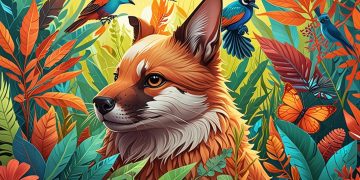
The Importance of Native Species as Pets: Promoting Ecological Awareness

Choosing native species as pets enhances ecological awareness, fosters connections to local ecosystems, and promotes biodiversity. These species require less maintenance, offer educational opportunities, and empower individuals to engage in conservation efforts, ultimately enriching lives and encouraging environmental responsibility within communities.

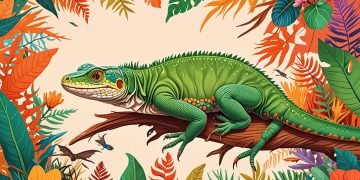
The Diversity of Reptiles as Pets: Benefits and Challenges in Breeding

Reptiles are unique companions offering diverse species and captivating behaviors. While low maintenance and educational, pet ownership requires understanding dietary needs, environmental control, and breeding challenges. Responsible care fosters wildlife conservation, making reptile ownership rewarding for enthusiasts who appreciate their complexity and charm.

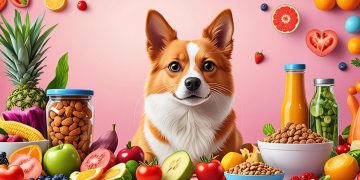
Customized Diets for Pets: Benefits and Challenges

The trend of customized diets for pets is gaining popularity among pet owners seeking to improve their companions' health. While tailored nutrition offers benefits like enhanced health and weight management, challenges such as cost and nutritional adequacy must be carefully considered for successful implementation.

The Influence of Nutrition on the Prevention of Common Diseases in Pets

Understanding the influence of nutrition on pets' health is crucial for preventing common diseases. A balanced diet strengthens the immune system, supports weight management, and enhances digestive health. By prioritizing quality ingredients and essential nutrients, pet owners can significantly improve their pets’ well-being and longevity.

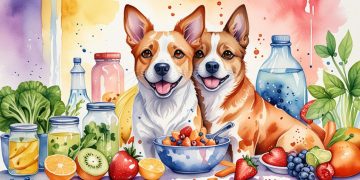
The Importance of Natural Nutrition for Dogs and Cats

In recent years, the shift towards natural nutrition for dogs and cats has highlighted the importance of wholesome ingredients. Emphasizing high-quality proteins, whole grains, and healthy fats, this approach enhances immunity, digestion, and overall vitality, ensuring pets lead healthier, happier lives while fostering strong bonds with their owners.


The Effects of Nutritional Supplements on Pet Longevity

Nutritional supplements play a crucial role in enhancing pet longevity by addressing dietary gaps, supporting preventive health, and improving quality of life. Consultation with veterinarians and careful selection of high-quality products can empower pet owners to make informed decisions, promoting healthier, happier, and longer lives for their furry companions.

The Relationship between Diet and Behavior in Dogs and Cats

Understanding how diet influences behavior in dogs and cats reveals essential insights for pet owners. Quality nutrition, including high-protein diets and hydration, can improve emotional well-being, reduce anxiety, and enhance behavior. Tailoring food choices to pets' needs fosters happier, healthier companions, highlighting the critical role of diet in pet care.

Trends in Functional Food for Pets: What’s On the Rise?

The pet food industry is evolving with a surge in functional foods that enhance health and well-being. Trends include holistic ingredients, health-specific formulations, probiotics, superfoods, and sustainable sourcing. Pet owners now prioritize personalized diets, reflecting a growing commitment to their pets' nutritional needs and overall quality of life.

Vegetarian Diet for Pets: Benefits, Risks, and How to Implement Safely

This article explores the benefits and risks of implementing a vegetarian diet for pets. It highlights improved digestion, reduced allergens, and environmental impact, while cautioning against nutritional deficiencies, particularly for cats. Careful planning, veterinary consultation, and monitoring are essential for a safe transition to vegetarian nutrition for pets.