The Influence of Nutrition on the Prevention of Common Diseases in Pets
Understanding the Impact of Nutrition on Pet Health
When it comes to the well-being of our pets, the saying “you are what you eat” rings true. Just as humans thrive on a well-balanced diet, so too do our furry friends. Proper nutrition is pivotal in warding off numerous ailments that commonly affect pets, and it plays a critical role in their growth, behavior, and overall happiness. Pet owners must grasp the significant connection between nutrition and health to provide the best care for their companions.
One of the most compelling benefits of appropriate pet nutrition is the enhancement of immune function. A diet rich in essential vitamins and minerals—such as vitamin C, vitamin E, and zinc—can effectively bolster a pet’s immune system. For instance, adding a variety of fruits and vegetables, such as blueberries and carrots, not only provides these nutrients but also introduces antioxidants that fight free radicals. This is vital, especially for elderly pets whose immune systems may be weakened over time.
In addition to immune support, proper nutrition plays a significant role in weight management. Obesity in pets is a growing concern in the United States, leading to serious health issues like diabetes, arthritis, and heart disease. A balanced diet helps pets maintain a healthy weight by offering the right proportions of proteins, carbohydrates, and fats. Pet owners can utilize resources like pet food labels and consult their veterinarians to determine the appropriate caloric intake for their pets.
Digestive Health and Skin Benefits
Improved digestion is another critical aspect of quality nutrition. High-quality pet foods made from natural ingredients often contain probiotics and prebiotics, which promote healthy gut flora and enhance nutrient absorption. This is particularly important for pets with sensitive stomachs, as better digestion can lead to less vomiting or diarrhea and a more energetic pet overall.
Your pet’s appearance can also reflect its diet; specific nutrients contribute to a healthier skin and coat. Omega-3 and omega-6 fatty acids found in fish oils, for example, can make a significant difference in combatting dry skin. Regularly including these fatty acids in your pet’s diet can reduce itching and lead to a glossy coat, making your pet not only feel great but look good, too.
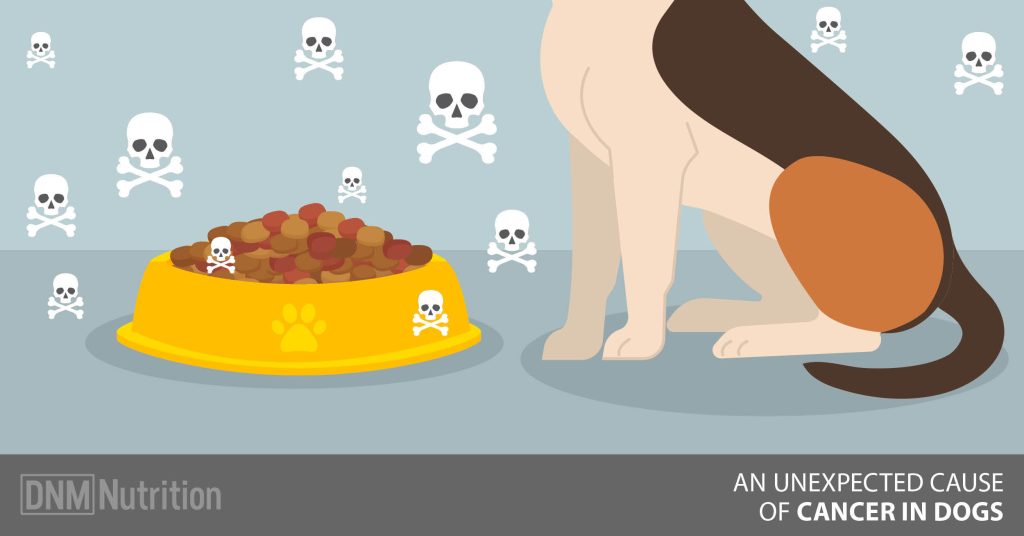
Moreover, investigating specific dietary components can provide insights into preventative care. For instance, diets enriched with omega-3 fatty acids can benefit pets at risk of inflammatory diseases such as arthritis, while antioxidants can play a crucial role in shielding pets from chronic diseases like cancer. Understanding these dietary needs allows pet owners to be proactive about their pets’ health.
As we delve deeper into the world of pet nutrition, it’s clear that making informed food choices can markedly enhance your pet’s quality of life. Knowing the science behind what we feed our pets opens avenues for better health outcomes and happier lives. By investing time and effort in crafting balanced nutrition plans, pet owners can significantly lower the risks of future health problems, leading to fuller, more vibrant lives for their beloved companions.
DIVE DEEPER: Click here to learn more
Nutritional Foundations for Disease Prevention
As we explore the intricate relationship between nutrition and pet health, it’s essential to recognize the specific nutrients that play a protective role against common diseases. Certain dietary components not only fulfill basic nutritional needs but also serve as formidable allies in preventing health issues that can affect our furry companions. Here are some key vitamins and minerals that pet owners should prioritize:
- Vitamin A: Crucial for maintaining healthy vision and supporting immune function, vitamin A can be found in foods such as liver and carrots.
- Vitamin D: This vitamin aids in calcium absorption and is vital for bone health. It can be sourced from fish, such as salmon, and fortified pet foods.
- Calcium: An essential mineral for strong bones and teeth, it helps in preventing skeletal issues, particularly in growing puppies and kittens.
- Fiber: Integral for digestive health, fiber helps regulate bowel movements and can reduce the risk of obesity by promoting a feeling of fullness.
Aside from these crucial nutrients, it’s important to consider the role of macronutrients. Proteins, carbohydrates, and fats must be consumed in appropriate ratios to support overall health and vitality. Proteins are the building blocks of the body, essential for muscle development and repair. Meanwhile, carbohydrates provide the necessary energy to keep pets active and engaged. Healthy fats, particularly sources high in omega-3 and omega-6 fatty acids, can combat inflammation and promote a glossy coat, among other benefits.
This Connection to Common Diseases
Research has shown that a well-rounded diet is not merely about achieving optimal body weight; rather, it’s a preventive measure against several chronic diseases prevalent in pets. Conditions like diabetes, kidney disease, and cancer often have links to inadequate nutrition over time. For instance, a diet excessively high in simple carbohydrates can predispose pets to insulin resistance and lead to diabetes. Understanding these connections enables pet owners to make informed choices.
Moreover, senior pets have particular nutritional needs that should not be overlooked. As pets age, they may develop health challenges such as arthritis or cognitive dysfunction. Nutrition tailored to support joint health—like glucosamine and chondroitin—can significantly enhance their quality of life. Likewise, diets with appropriate antioxidant levels can combat oxidative stress, helping to ward off age-related illnesses.
In summary, the influence of nutrition on the prevention of common diseases in pets is undeniable. By arming ourselves with knowledge about essential nutrients and their roles in supporting pet health, we can take proactive steps in reducing the incidence of common ailments. The journey toward understanding pet nutrition is not only enriching but also crucial in ensuring that our loyal companions lead healthy, happy lives.
Understanding the critical role of nutrition in pet health is essential, as it directly impacts the prevention of various common diseases. The right diet can bolster an animal’s immune system, making it less susceptible to ailments. A holistic approach to pet nutrition focuses not only on caloric intake but also on the quality of the food consumed. A well-balanced diet enriched with essential nutrients plays a pivotal role in maintaining optimal health. For instance, antioxidants found in fruits and vegetables can combat oxidative stress, which is linked to chronic diseases in pets. Moreover, fatty acids, particularly omega-3s, have been shown to support joint health and reduce inflammation, proving beneficial for older pets prone to arthritis.Additionally, specific dietary adjustments can help manage or prevent conditions such as obesity, diabetes, and heart disease. High-fiber diets can aid in weight management, while protein-rich foods help maintain lean muscle mass. It’s essential to consult a veterinarian who can recommend tailored dietary plans based on your pet’s individual needs, ensuring they receive the right balance of nutrients for optimal health. As pet owners become more aware of these connections, they are increasingly seeking ways to incorporate high-quality ingredients into their pets’ diets. Choices such as grain-free options, organic ingredients, and raw diets are becoming popular among conscientious pet owners. Understanding how these dietary adjustments can influence your pet’s health directly correlates with disease prevention, making knowledge of nutrition a vital tool in responsible pet ownership. Through continuous education and research, pet owners can navigate the myriad of dietary choices available, leading to healthier, happier lives for their furry companions.
DISCOVER MORE: Click here for insights on how pet diversity shapes communities
Understanding the Role of Ingredients in Pet Foods
As pet owners become more aware of the effects of nutrition on their pets’ health, it is crucial to delve deeper into the ingredients found in pet foods that can contribute to disease prevention. Many commercially available pet foods vary significantly in quality, and understanding labels can be vital to making informed choices. Ingredients like animal protein, grains, and additives play foundational roles in promoting health and longevity.
One essential aspect to consider is the source and quality of animal protein. High-quality proteins not only provide essential amino acids but also promote lean muscle mass and support a healthy metabolism. Ingredients like chicken, turkey, and fish should ideally be the first listed items in the ingredient list of pet food, indicating that they are the primary protein source. In contrast, unnamed meat sources or by-products can often be low-quality and potentially detrimental in the long term.
In addition, the presence of whole grains such as brown rice, barley, and oats in a pet’s diet can lead to improved digestion and sustained energy levels. However, it is crucial to observe how much grain is included, as some pets may have sensitivities or allergies to certain grains. Pet foods labeled as grain-free have gained popularity but should be approached with caution; research has suggested links between certain grain-free diets and an increased risk of canine dilated cardiomyopathy (DCM). Ensuring a balanced approach to ingredients is essential.
Supplemental Nutrition: A Protective Advantage
Beyond primary ingredients, the incorporation of nutraceuticals—supplements that provide health benefits—can serve as a formidable defense against chronic conditions. For instance, probiotics enhance digestive health and bolster the immune system by promoting a healthy gut flora. Moreover, omega fatty acids, particularly EPA and DHA, have been extensively studied for their anti-inflammatory properties, which can be particularly beneficial for managing arthritis and skin conditions in pets.
Additionally, antioxidants such as vitamins E and C play an instrumental role in neutralizing free radicals that contribute to cellular damage and chronic illnesses. These nutrients can often be found in fruits and vegetables like blueberries, spinach, and sweet potatoes, making them excellent choices to incorporate into your pet’s diet. The challenges of aging pets further emphasize the importance of these supplements, as they aid in combatting age-related decline and contribute to overall well-being.
Addressing Obesity through Nutrition
Obesity is one of the most significant health concerns impacting pets today. It predisposes animals to a multitude of diseases, including diabetes, joint issues, and cardiovascular problems. Therefore, maintaining a healthy weight through proper nutrition becomes critical in disease prevention. Strategies for addressing obesity include practicing portion control, monitoring caloric intake through feeding guidelines specific to each pet’s weight and activity level, and incorporating high-fiber foods that reduce hunger.
Furthermore, it’s essential to understand that not all treats are created equal. Healthy, low-calorie options can replace high-fat, high-sugar snacks to support a balanced diet. Regular physical activity must be paired with appropriate nutrition to ensure that pets not only manage their weight but also enhance their overall health. Consequently, pet owners should consult with veterinarians or pet nutritionists to tailor diets that foster longevity and vitality.
DIVE DEEPER: Click here to uncover the benefits of obedience training for senior dogs
Conclusion
In summary, the role of nutrition in the prevention of common diseases in pets cannot be overstated. As our understanding of pet health evolves, it is clear that a well-rounded diet comprising high-quality animal proteins, whole grains, and crucial nutraceuticals can have profound effects on the well-being and longevity of our furry companions. By being meticulous about ingredient choices and reading labels carefully, pet owners can make informed decisions that contribute significantly to their pets’ health.
Moreover, attention to the weight management of pets is paramount in combating the rising rates of obesity and its associated health risks. Implementing strategies focused on portion control and selecting nutritious treats can help maintain a healthy weight, ultimately aiding in disease prevention. Regular consultations with veterinarians to tailor diets can further enhance the overall health trajectory of pets, ensuring they lead active and fulfilling lives.
As pet owners, it is essential to recognize that nutrition is a powerful tool against many common ailments. By investing time in educating ourselves about pet food ingredients and incorporating a holistic approach to our pets’ diets, we not only improve their quality of life but also pave the way for a healthier future. In the journey towards optimal pet health, nutrition stands out as a critical cornerstone, urging us to delve deeper and continue exploring ways to nourish our beloved pets better.